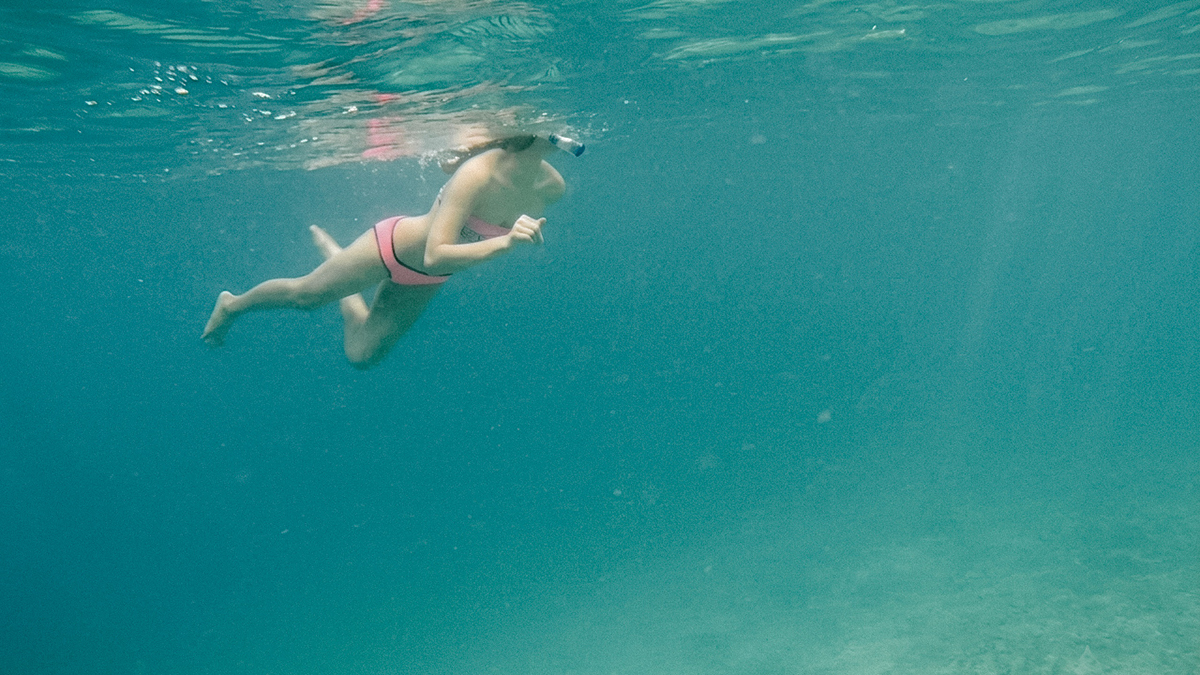
Wild swimming, basically, is submerging yourself in an unmanaged body of water—think rivers, lakes, or the salty sea. Ideally, it’s avoiding the existential dread that comes with a standard office commute. It is a bit of a fancy rebrand for what our grandparents called “having a dip.” But apparently, we need a hashtag to feel culturally significant these days.
Outdoor swimming is an intense multisensory activity that lets you engage with nature. The beauty of it lies in satisfying our innate curiosity and desire to explore.
If you are currently feeling as burnt out as a piece of toast forgotten in a toaster, keep reading. This guide will show you how to trade your screen-induced neck cricks for a cortisol-spiking splash.
What is the meaning of wild swimming?
I have the posture of a question mark and the energy of a discarded prawn cracker. And based on experience, a dip in the water is the only cure to this lethargy.
Wild swimming is the act of jumping into any natural body of open water, like a river, a lake, or the sea. You might have heard it used interchangeably with “open water swimming” (OWS), “outdoor swimming,” or “cold water swimming”.
Unlike a walk in the park, where you remain a detached observer, wild swimming lets you be part of the natural world. It is unlike other outdoor activities because it demands a surrender of control to the elements. You cannot tell a rip tide to “settle down, mate”.
My attempt at freestyle often leaves me resembling a drowning potato. Yet the experience provides a flow state that resets the brain and distances me from daily stress.
How is wild swimming different from regular swimming?
Pool swimming is a bit better organised than open-water swimming. The primary difference is the setting. Wild swimming trades the artificial, contained space of a pool for the limitless natural beauty of rivers, lakes, or the sea.
The sensory and physiological experience is a fair dinkum slap to the system. While a heated pool calms you down, cold open water triggers a cortisol spike. It’s a feast for the senses involving pink noise, the texture of riverbeds underfoot, and sometimes the taste of wild strawberries.
What are the different types of places for wild swimming?
For those trading sterile, chlorinated pools for the unpredictability of nature, wild swimming offers blue spaces far more captivating than lanes of chaotic toddlers.
You’ve got the majestic big blue: the sea and sprawling coastal beaches that stretch toward the horizon. Then there are inland wonders: rivers, canals, and lakes. But those ancient oaks licking the water’s edge would probably make me feel like a dishevelled, towel-less romantic from a lost era. You could try the unpromising blue—reservoirs, dams, and abandoned quarries.
You can enjoy wild swimming in river pools, floating docks, and tidal pools. They offer safety for those who fear the open ocean’s unreliable currents. The adventurous, however, might want to try the underwater cave systems in the Bahamas.
Why is wild swimming so popular?
Interest in wild swimming soared during the COVID-19 pandemic when public pools were about as accessible as a reasonably priced house in Sydney. The pandemic forced everyone to seek the blue space of rivers and seas for a bit of a mental reset. People were desperate to escape the digital matrix of their living rooms.
Then the meteoric rise of the swimfluencers on TikTok and Instagram happened. Content creators like Becca Harvey (@becca.harvs) and Peter Plavec @peter.plavec showed us that we don’t need an Olympian’s physique to have a go at open-water dip. They show the real side—the goosebumps, the tangled hair, and the occasional self-doubt.
I once took a video of myself swimming on a GoPro and honestly didn’t recognise the flailing, uncoordinated creature on the screen—classic me. But the best part of this craze is that it is remarkably low-cost. It’s a free resource that bypasses the exorbitant club fees and structured rules of the indoor world.
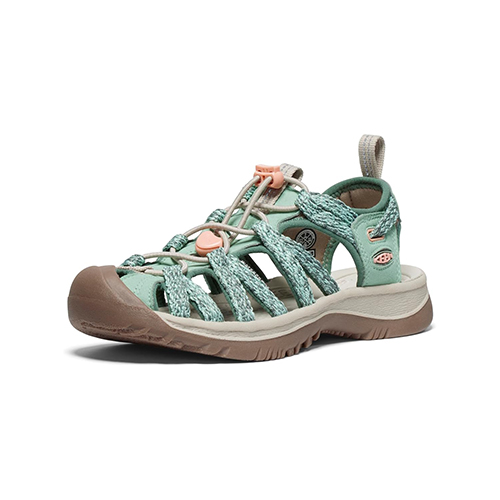
Swimming in the open sea requires nothing more than a towel, a bit of bravery, and perhaps a pair of Keen Clearwater CNX if you’re precious about your feet.
Even if I spend more time taking photos of the sunrise than actually swimming, a beach vacation makes me feel almost human again. I might look like a seal having a mid-life crisis, but who cares.
Why do people like wild swimming?
Wild swimming is a bait for those of us desperate to ditch the stubborn ping of a smartphone for the immediate slap of a wave.
Wild swimming lets me escape the real world when reading Matt Haig fails to remedy my existential crisis. I’m constantly looking for a reset button that doesn’t involve another software update or a stressful Zoom call. Immersing my body in the local beach provides respite from the overstimulating urban matrix.
Wild swimming gives me an intoxicating feeling of being at one with the natural world. I stop being a stressed-out writer. In the city, I worry about the bills. In the ocean, I’m floating on my back beneath a sunset, feeling like a tiny particle in a grainy film.
For others, wild swimming quenches their thirst for adventure and curiosity. Many of us have inner explorers suppressed by a dull job or questionable relationships. Whether it’s cross-country swimming with a Ruckraft in tow or simply wondering what’s around the next river bend, the uncertainty is the hallmark of the fun.
Is wild swimming good for you?
I once thought that “wellness” was just a fancy word for buying expensive candles and crying in the bath. But wild swimming actually offers some legitimate, science-backed perks that might help me break out of my sedentary lifestyle. Let’s dive into the cold, hard truths about why throwing yourself into a river might help you live long enough to see the robots take over.
Cardiovascular and physiological health
I reckon my heart is more used to the stress of a slow Wi-Fi connection than actual exercise. But dipping in open water is a bit of a biological reset. When you hit that cold water, your body triggers a fight-or-flight response, spiking your cortisol and giving you a thrill.
Beyond the immediate shock, regular dips are associated with better pulmonary function and a stronger immune response. Every outdoor swim is an adventure where you don’t quite know how your body will cope. Is it normal to feel like a thousand tiny needles are exfoliating your skin? Absolutely. This cold shock might actually be helping your heart do its job without the usual complaints.
Pain and inflammation relief
Cold water is nature’s ice pack. It helps reduce the inflammation from chronic conditions like adenomyosis. It’s essentially a natural ibuprofen.
Even the spiritual types get a look-in at St Anthony’s Well in Gloucestershire, a square stone pool deep in a thick forest where people have been dipping for centuries to cure their ailments. Sea swimming can relieve joint pain and improve sleep. If you’re feeling particularly fancy, some swimmers even use seaweed bath soaks or face oils to shield their skin from the grime and salt.
Healthy ageing
I’m currently at an age where my Mephistophelian mien is starting to show a few more wrinkles than I’d like. And I might test the theory that swimming is the ultimate hack for ageing gracefully. Julie Robinson reckons that swimming is the best form of exercise because it supports cardiovascular fitness, muscle strength, and balance all at once. It’s a low-impact miracle for those of us whose knees have decided to go on strike.
Some have even used wild swimming to recover after a heart attack when other exercises are too bloody hard. Wild swimming removes the barriers that age and mobility issues usually put in our way.
I doubt there is anything more satisfying than earning a post-swim cuppa and some chips while rejoicing in the fact that you’re not dead yet.
Is wild swimming good for mental health?
Dunking yourself in nature is a top-tier move for your brain. Let’s discover how wild swimming hacks your mood and why it can be a lifelong healing habit.
Mood enhancement
Wild swimming releases dopamine, serotonin, and β-endorphins. It can regulate your mood better than any mindfulness app. It slashes stress, fatigue, and anger.
Even on days when my motivation is lower than my bank balance, the post-swim high is unreal. Is it the cold, or just the relief of not drowning? Hard to say. But the data show acute increases in positive mood and long-lasting reductions in grumpiness.
Mindfulness
Swimming in cold water makes you forget about chores, social media, or the ill effects of toxic beauty standards. Your mind focuses on your movements and breathing.
I once stood on the edge of the cliff on Gibitngil Island, looking down at the deep blue water and my brother’s reassuring presence. I felt the fear and stressors melt.
Therapeutic accretion
Like a good investment in a reliable index fund, the benefits of swimming build up over time. This is therapeutic accretion. Repeated experiences in these blue spaces build a refuge from daily life that can sustain your mental health across a lifetime.
Resilience building
Wild swimming requires courage. Navigating the cold and the current builds a psychological strength you can use in real life. You learn to push through the fear of the initial plunge.
You prove to yourself that you can survive the elements. An “I can conquer the world” mindset emerges when you walk out of the water. It builds self-efficacy and resilience. If I can handle an icy sea, surely I can handle a passive-aggressive email from a client.
Is wild swimming safe?
Wild swimming is as safe as trying to navigate a suburban car park. It’s potentially lethal and mildly humiliating. But it’s oddly rewarding once you find a spot.
The ocean is prone to strong currents and swells that act like over-caffeinated bouncers. Tides are equally treacherous, capable of turning a leisurely paddle into a frantic, one-way trip toward the horizon.
Cold water shock is also possible. You’ll know it when your heart performs a frantic drum solo while you hyperventilate.
Do you enjoy gambling with your gut health? Nature often includes agricultural runoff or the occasional sewage discharge. Toxic algal blooms can turn a majestic lake into a bowl of forbidden pea soup.
But despite the risk of gastrointestinal problems or hypothermia, the benefits often outweigh the dangers. You feel invincible once you survive the initial terror.
Is wild swimming safe? Not particularly.
But surrendering to the elements and feeling human again feels deeply restorative.
What are safety tips for wild swimming?
Think about that first hit of cold water on a stinking hot arvo. It’s the thrill of wild swimming that pulls us in, promising a mental reset that’s more effective than a double shot of espresso.
But before you chuck your kit in a bag and head for the nearest river, you’ve got to use your noggin. Nature doesn’t always play nice.
Here is how to stay safe while you chase that post-swim high.
Planning and Research
Poring over maps and tide charts is the difference between a legendary day out and a total disaster. For example, you can check The Rivers Trust Sewage Map before swimming anywhere in England or Wales to ensure you aren’t diving into nasties.
Know your entry and exit points. You should also seek out local knowledge from lifeguards or long-time residents who know the hidden moods of the currents. Don’t attempt to conquer the elements without a clue.
Swimming in Groups
Swimming can be a solitary meditation. However, the sea is never truly your friend. Pick your pod wisely, choosing people with similar capabilities so no one is left struggling.
There’s a shared suffering in the cold that bonds people closer than a Friday night at the pub. Being part of a group provides social encouragement, which can help you push past that initial frantic fear of the deep.
Visibility is also key. Wear brightly coloured clothing and use a tow float so your mates and boaties can see you.
The Three-Minute Rule
When you first dip your shoulders, your body might react like it’s being hit by an electric shock. The “three-minute rule” is the golden standard for acclimatisation. It takes that long for your breathing to settle and for the fight-or-flight response to chill out.
Once you’ve survived the first three minutes, you can usually stay in for up to fifteen, depending on the temperature. Don’t let your ego drive the bus. Even if the rest of the group is staying in, you must swim your own swim and get out when your body says enough is enough.
Logistics
If you’re doing a point-to-point swim, figure out how to get back to your car without walking five kays in a wet swimsuit.
DIY adventures require a bit of snack strategy—knowing exactly where the thermos of hot tea and the Mars bars are waiting for you. Invest in a decent drybag backpack to keep your gear bone-dry. Plan for the afterdrop by having warm clothes and a communal fire ready to thaw you out. Good logistics make the adventure feel special rather than chaotic.
What is best to wear for wild swimming?
Getting the gear right is essential for wild swimming. Looking like a bright orange buoy is preferable to being run over by a rogue jet ski.
This section is a curated guide to the wardrobe of the modern aquatic adventurer. This will help ensure you don’t just survive the elements but actually enjoy them. You’ll know how to stay visible, warm, and protected from the sun.
High-visibility gear
In the water, being seen is a literal life-saver. Solid blocks of neon are the most visible colours in the sea.
I personally recommend the Orca Vitalis Hi-Vis Openwater Wetsuit, which features high-visibility panels so you can be spotted from a lifeguard tower. Or by a bloke on a paddleboard who isn’t looking where he’s going. Pair this with a tow float, like the New Wave Swim Bubble, which doubles as a dry bag backpack for your post-swim snacks.
Thermal protection
For those just starting, the Zone3 Agile or Advance models offer great buoyancy and warmth without requiring a second mortgage. If you’re feeling elite—or have a lot of pocket money—the Zone3 Vanquish-X uses high-tech materials like bio-rubber to help your body recuperate while you swim. I’ve found that even a sleeveless option like the ORCA Women’s RS1 Open Water Sleeveless Wetsuit works wonders in warmer climates when you want a bit of lift and a shield against the wind-chill.
Footwear and accessories
Wading into a river can feel like a game of “guess the sharp object.” And I’ve never been a fan of the barefoot-on-barnacles dance. The Archies Arch Support Flip Flops unload tension from the Achilles tendon and calves after swimming. These are made from non-porous foam and dry almost instantly.
For the actual walk into the water, the Keen Clearwater CNX sandals are grippy enough for algae-covered rocks and won’t float away the moment you lose your footing. The Speedo Unisex Swim Goggles protects your eyes against UVA and UVB rays and provides anti-fog for a clear view.
Sun protection
I always bring a broad-spectrum, water-resistant sunscreen. Blue Lizard Sensitive Mineral Sunscreen is reef-safe and won’t poison the ecosystem. For extra coverage, pull on a IUGA Rash Guard for Women UPF 50+. It provides UPF 50+ protection while keeping the jellyfish at bay.
What to do after wild swimming?
When I’ve just emerged from the water, I look like a drowned rat. Sometimes I also wonder why I didn’t just stay in bed with my trusty Kobo. What should we do after a dip in the ocean? What do I do to stop my face from resembling a piece of 14th-century parchment?
Rewarming protocols
First off, you need a rewarming ritual to stop your fingers from feeling like frozen sausages. Post-swim protocols are vital to minimise the risks of hypothermia.
Mine often involves a cuppa hot enough to melt lead. I heard that some posh spots, like Schloss Elmau in the German Alps or the Waresley Park Estate, offer saunas. That would probably feel like a divine intervention after you’ve spent three minutes contemplating your mortality in 6°C water. If you’re at Combe Head House, you might even find a horsebox sauna to hide in.
Social reflection
The post-swim culture often outweighs the importance of the actual swim. Swimmers stand around like a flock of damp, neoprene-clad philosophers, dissecting the “buzz” and the “mood of the sea”. It’s a shared social identity that involves a level of intimacy.
We exchange life updates on changing bodies, ageing parents, and ADHD rabbit holes while someone passes around the mandarins.
Rest and skin care
My skin currently has the texture of a dried-out apricot. Rest is where my body repairs the damage I’ve just done to it. It’s essential, even if I’m mostly just adapting to a horizontal position on the couch.
Using a high-quality, ultralight towel, such as the Widdonen Microfiber Beach Towel, helps you dry off quickly and comfortably, so you can begin the relaxation phase. Wash away waterproof sunscreens, chlorine, and river grime with Mad Hippie Cream Cleanser for your face. Dr Bronner’s Pure-Castile Bar Soap removes chlorine and saltwater odours from your body with a nourishing blend of organic oils.
I apply Seven Minerals Aloe Vera Gel to avoid looking like a weathered sea captain. To protect my face against peeling, I use Sunly After Sun Care Stick. I also put on First Aid Beauty Ultra Repair Cream because it’s non-sticky and cooling.
Don’t forget the Veja Women’s Etna Bold Sandals; they are the only shoes that don’t judge my swollen, blue feet after a dip. And if you’re worried about swimmer’s ear, a quick squirt of Hyland’s Earache Drops will keep the microorganisms from throwing a party in your ear canal.
Where to go for wild swimming?
In the Asia-Pacific region, the water is generally more forgiving. Head to Sulawesi, Indonesia, where the locals have been using sea swimming and snorkelling as a traditional form of mental maintenance for years.
If you have a taste for the extravagant, the Nay Palad Hideaway on Siargao Island in the Philippines offers a “no menu, no schedule” existence. You wake up, wander between the beach and the mangroves, and eat whatever the local fishermen managed to haul in.
Australia offers the Great Barrier Reef. Lizard Island Resort provides a rugged backdrop of monitor lizards. Further south, you might try a crossing to Rottnest Island in Western Australia.
Europe provides a more cinematic experience for the discerning dipper. In the German Alps, Schloss Elmau offers lakeside swimming in Ferchensee. For a taste of the Aegean, the Four Seasons Astir Palace Hotel Athens allows you to step directly from your room into a swimmable sea.
In Murcia, Spain, you can explore the Cabo de Palos, a harbour that is pitch black at night but brilliant in the moonlight. Sit there eating dorada. Bliss.
The United Kingdom and Ireland have gone “all in” on the cold-water craze. In Ireland, the Forty Foot in Sandycove is a favourite for a healing dip. If you’re in Dublin, the Anantara The Marker Dublin Hotel runs trips to Vico Bathing Place, where seals or dolphins might join you.
In Cornwall, the Budock Vean Hotel sits on the Helford River, where ancient oaks lick the edges of the water. At high tide, the water is gin-clear and full of life. It’s the perfect place to hide away in 65 acres of land and pretend the 21st century never happened.
If you prefer the Lake District, Loughrigg Tarn is the place to be. You can step into the water as if stepping into a painting.
Parting Thoughts
Wild swimming trades the comfort of a memory-foam mattress for a literal face-punch of glacial water.
Why bother? Because it is magic.
Everyday stressors of your job and your questionable life choices float away. It’s an experience far more intense than walking in a park or staring at a screensaver.
Plus, it makes you feel like a superhero.
This exercise can cut down your stress, fatigue, and anger while boosting your mood. For some, it is even better than medicine, acting like a natural antidepressant that clears your head. It is a physiological thrill that triggers a rush of endorphins.
There is a link between wild swimming and wellbeing. It’s a fun way to ditch the smartphone’s blue light in favour of the real blue of the landscape.