I’ve decided that trying a slow living lifestyle is what I need to avoid insanity.
I am a location-independent writer and self-diagnosed highly sensitive person. I’m constantly having an existential crisis each time I hit blank-page syndrome. If, like me, your nervous system is sounding like a decade-old fridge, you’re also likely tired of the brutal pace of modern life.
I’ve read The Death of Ivan Ilych. I know how the “hustle” ends. Quite frankly, I’d rather be sitting in my apartment, nursing a hand-poured drip coffee, than running a rat race I never signed up for.
I got tired of always being in emergency mode and decided to try a slow-living lifestyle. Here’s why and how I chose the unhurried life.
What is a slow living lifestyle?
Slow living is a conscious, intentional approach to life that prioritises meaning, wellbeing, and presence over speed and constant busyness. It is not about performing every task at a snail’s pace, but rather about decelerating to do things better and focusing on what truly matters. At its core, the mindset encourages us to quit being on autopilot and become more mindful of how we spend our time and energy. It serves as an alternative to hustle culture, which often glorifies non-stop productivity at the expense of necessary rest.
Where did the slow living movement begin?
The principles of slowing down have roots in ancient wisdom. But the modern movement was sparked by Carlo Petrini’s 1989 Slow Food movement.
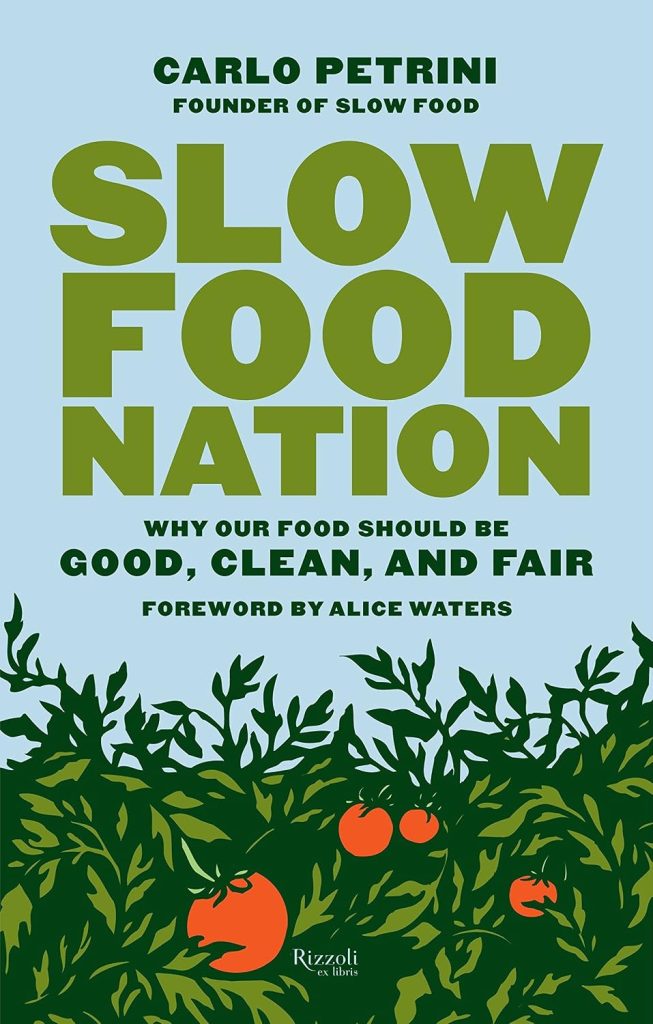
This crusade began as a grassroots protest against the opening of a McDonald’s in Rome. It was a resistance to the fast life, which was seen as disrupting local cultures, habits, and health.
The Slow Food movement evolved into the Cittaslow (Slow City) movement. Cittaslow’s goal is to create towns where sustainability and local culture provide dwellers a high quality of life. The movement also draws from ancient Greek concepts of eudaimonia (human flourishing) and sophrosyne (moderation).
What are the key principles of a slower life?
Slow living is guided by several central tenets that counteract the fast-paced nature of modern society:
- Intentionality: Making willful choices about how to live and ensuring those choices align with your values and goals.
- Presence and Mindfulness: Focusing on the present moment to enjoy life as it happens, not ruminating on the past or worrying about the future.
- Deeper Connection: Cultivating more meaningful relationships with loved ones, the community, and oneself.
- Sustainability: Redefining success through the economics of enough.
- Ecological Awareness: Recognising that slowing down leads to a lower carbon footprint.
Is slow living just an excuse for being lazy?
A major misconception is that slow living equates to laziness or a lack of ambition. In reality, it is about being more efficient and effective by removing the non-essential. It does not mean you have to stop being productive. Many European countries with a strong slow living culture work fewer hours but maintain high levels of efficiency by working smarter.
How do different cultures approach slow living?
The concept of slow living is reflected in various global philosophies:
- Croatia (Pomalo): A Dalmatian lifestyle that emphasises a relaxed, unhurried approach to daily rhythms like drinking coffee or eating.
- Sweden (Lagom): A principle of “not too much, not too little” that promotes balance in all things.
- Denmark (Hygge): Focusing on cosiness, simplicity, and quality time with loved ones.
- Greece (Sophrosyne): An ancient tradition of moderation and slow social engagement, often seen today in the kafeneio (coffee shop) culture.
- Norway (Friluftsliv): “Open-air living,” where spending time in nature is viewed as a vital necessity for the soul.
What are the benefits of slowing down?
Sometimes I catch myself staring into my coffee wondering if I can justify another croissant. My brain usually feels like a browser with fifty tabs open—half of them are frozen, and one is definitely a virus. We’re all being force-fed information until our attention spans resemble a wet biscuit. I’ve been digging into the research, and it turns out that a slow living lifestyle is actually a survival strategy for the modern neurotic.
Reclaiming My Shredded Attention Span
By slowing down, we let our brains function like a human organ again instead of a frenzied machine. Monotasking nurtures attention. Multitasking shatters it into a million useless shards. When we stop trying to do everything at once, we can finish a task without wanting to scream into a pillow.
Not Vibrating with Existential Dread 24/7
My nervous system has spent years in a state of emergency. I’ve been hyper-vigilant and amped-up on cortisol. Slowing down activates the parasympathetic nervous system. Even five minutes of deep breathing or staring at a tree (without Instagramming it) can lower your blood pressure and reduce stress hormones.
Accomplishing More
In Gothenburg, Sweden, a Toyota factory cut its mechanics’ hours to six a day with no loss of pay. Productivity jumped to 114%. Even W. G. Kellogg did this in the 1920s and saw workplace accidents drop by 41%.
When people have time to decompress, they come back to work fresher and less likely to procrastinate. By creating space for rest and reflection, we make better decisions.
Escaping the Hedonic Treadmill
I used to think that if I just got my hands on the De’Longhi Stilosa espresso machine, I’d be happy. But this is an illusion. We quickly adapt to life’s highs and our happiness resets to a baseline.
The relentless pursuit of material gain and status fails to give us long-term fulfillment. Making financial decisions based on our values empowers us to escape the hedonic treadmill. In an age of acceleration and uncertainty, finance guided by wisdom provides a strong foundation for human flourishing.
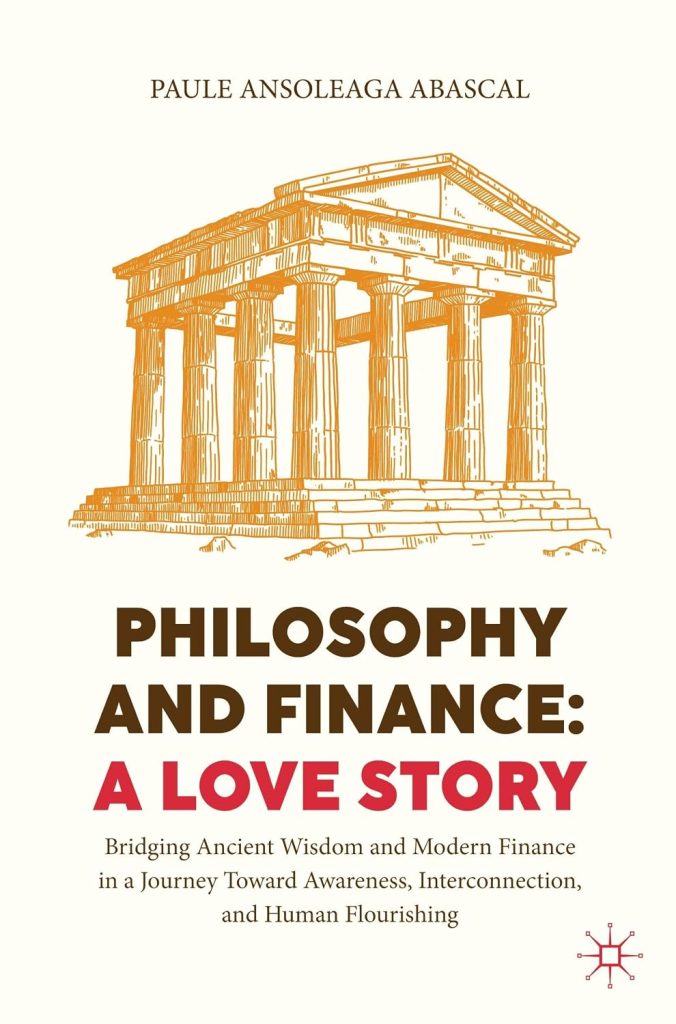
Instead of chasing the next hit of dopamine from a purchase, I’m finding joy in starting a new book or our cat sleeping on my lap.
Living Long Enough to Enjoy Senior Citizen Discounts
The residents of Ikaria in Greece have a secret. Nearly 30% of them live past 90. And it’s not because they’re all using Bio-Oil or following some influencer’s biohacking routine. They just live at their own pace, move their bodies, and drink wine with their friends instead of overworking.
Just an extra five minutes of sleep and a few more minutes of walking per day can extend your life for another year.
I reckon I’ll stay in this café for another hour and watch the world go by. God help me, I might even talk to a stranger.
How do I start adopting a slow living lifestyle?
Start by shifting your focus from “What do I need to fix?” to “What do I already have that works?” Don’t try to change everything at once. Start small and pick one habit at a time.
I started mine by unfollowing unhelpful Instagram accounts that trigger my comparison complex. I’m much happier reading Persuasion than scrolling through someone’s curated healthmaxxing lunch.
Take an inventory of how you spend your time and delete the apps that fry your brain. Embrace the “joy of missing out” (JOMO). Feel the peace of a dead phone battery on a cold morning in a Vietnamese stone village.
Starting your slow living lifestyle involves recognising that you don’t have to be everything to everyone. Having the courage to say “no” is essential for an intentional life.
How can I slow down my home and environment?
Declutter your physical space to reduce mental stress. A cluttered house makes for a chaotic mind. Get rid of the broken and unnecessary things. They show a lack of respect for your home anyway.
Some suggest using “feng shui” or “wabi-sabi” aesthetics to create a mindful home. This means natural textures and colours that maximise tranquillity, like deep greys or woods.
Bringing the outside in with greenery and natural textures also has its benefits. Greenery, such as a single Monstera, can spark more joy than any expensive decor. Frame photos that make you smile, use scents like lavender, and buy towels that aren’t scratchy disasters.
Your home is the heart of your slow living lifestyle, or it should be. In my Cebu flat, I have my Bialetti moka pot that gives off the smell of an Italian café at 7 a.m. Plus, enough books to make a Stoic weep with joy.
How do I create a slow daily routine?
You can build a slow daily routine by intentionally monotasking, taking a full lunch break, and spending time outdoors.
Personally, I struggle to quit the habit of multitasking.
Sometimes I’m writing and then decide to “just quickly” check an email. The problem is, I stare blankly at the blinking cursor for a few seconds before my focus returns to what I was doing. This is Directed Attention Fatigue. And that’s about a minute of my life I’ll never get back.
Juggling tasks is counterproductive and makes you error-prone. Trying to do everything at once can reduce your productivity by 40%.
Starting your day slowly—no screens, just a cup of coffee and a book can also do wonders. You could also implement a digital sunset before bed. Put your phone outside the bedroom to avoid slumber scrolling.
What should I eat and drink for a calmer life?
You don’t need special concoctions to have a calmer life. But you can turn a simple cup of tea or coffee into a meditative act. Watch the boiling water change the colour of the leaves and breathe in the scent.
Mindful eating, on the other hand, is about relishing each bite long enough so that your brain and digestive system can register that you’re eating.
How do I take care of my mind and body?
There are seven types of rest: physical, mental, spiritual, sensory, creative, emotional, and social. Why is sleep not enough? Because sleep is merely one way to restore energy. If your nervous system is conditioned to be “always on,” your batteries can never fully recharge.
We are collectively trying to sustain a pace we were never designed to live with long-term. Living slowly is deviating from a world distorted by speed and greed. It is an intentional rejection of the modern culture of chronic distraction. Essentially, we need to learn how to rest properly.
Mental health flourishes in a slow living lifestyle. As an HSP, I recognise anxiety before it spirals by taking a long walk, meeting my friends for coffee, or rewatching a few episodes of Friends.
Can I work slowly and still be successful?
Success should be measured by our wellbeing and the quality of our relationships. Success should not be gauged by our financial status.
It turns out that a slow living lifestyle is actually a radical alternative to the modern urge for instant results. Many people who work fewer hours actually maintain high levels of efficiency. It is about working smarter and knowing when to stop, rather than simply grinding yourself into the dirt.
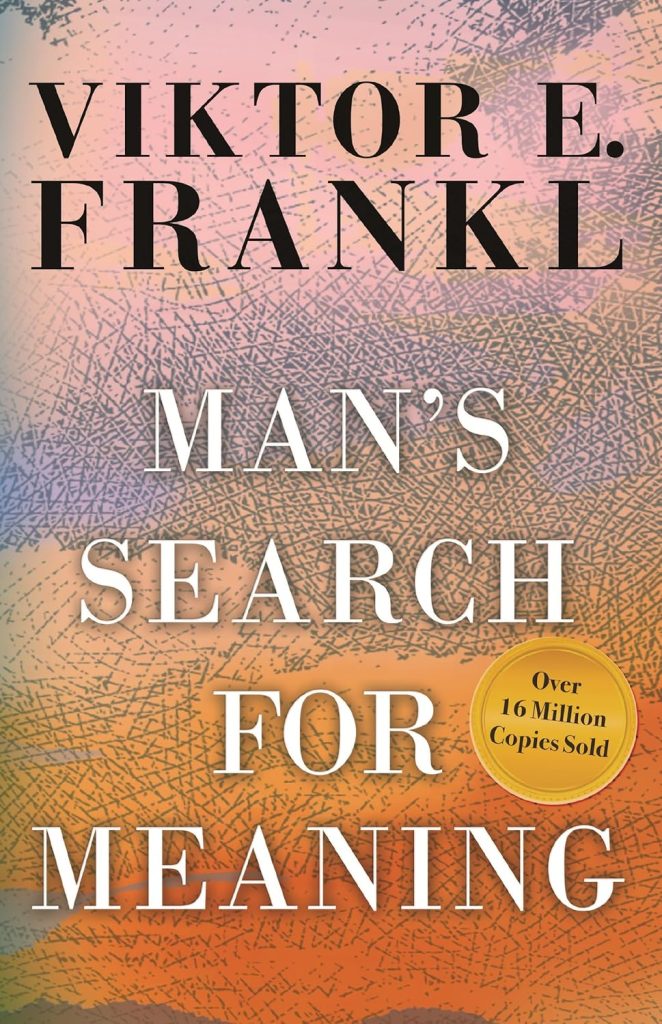
I’ve read Man’s Search for Meaning enough to know that we shouldn’t let the system dictate our pace. Why rush when the final destination is the same for all of us?
Being location-independent, I have to be my own boss. I have to make sure I don’t feel bad about stopping for a walk or a nap. I also prioritise social rest by being a satisfied introvert who avoids the other-directed trap of constantly conforming to peer expectations.
How do I shop and spend with intention?
Why do we feel the need to buy cheap, mass-produced clothing to feel a fleeting spark of false personalisation?
We are trapped in a culture that prioritises instant gratification over substance. To shop and spend with intention, we must first acknowledge hedonic adaptation. It’s the psychological trap where we adapt to new purchases so quickly that our baseline happiness never actually budges. We tell ourselves a new car will change us, but the excitement fades faster than a cheap tan.
A slow living lifestyle offers a radical alternative. It’s moving from a “mode of having” to a “mode of being”. Instead of mindlessly clicking “add to cart” for a dopamine hit, we should research sustainable brands like Dopper or TwoThirds.
In my own life, I apply this by being quite ruthless with my boundaries. I reckon I’ve become a connoisseur of “enough”. Before I buy anything more than $10, I give myself a 24-hour “cooling off” period to see if the desire survives the night.
I’ve stopped trying to find my identity in objects. Instead of shopping, I mend my own clothes. Extending the life of a garment by just nine months can reduce its carbon footprint by 20%.
My sustainable capsule wardrobe avoids the logistical headache of checked luggage and the moral headache of fast fashion. I’ve found that a small suitcase is the new status symbol.
How do I travel and play with a slow mindset?
“Plan so you don’t cram” sounds like something my boyfriend would say. He used to be in a hurry to visit every landmark in every place we visited. Now, he is brave enough to say “Let’s relax today.”
Slow travel does not sacrifice your sanity for the itinerary. It means swapping constant packing for slow stays where the local shopkeeper begins to recognise your face.
Then there is the concept of “play.” Why don’t we play more as adults? “Adult play”—whether it’s board games, puzzles, or “body play” like snorkelling—reduces stress and stimulates brain growth. You don’t need to turn every hobby into a side-hustle. Play simply for the joy of it.
Final Thoughts
This slow living lifestyle has changed the way I view my chaotic inner monologue. Is it working? Well, I’m still a disaster, but as I’ve written before, at least I’m a well-caffeinated one. Slow living is the only way not to reach the end of my life and discover, as Thoreau feared, that I had not lived.
Your career isn’t your soul, and your passport stamps aren’t your legacy. Find a tree to sit under, or at least a very comfortable couch. I’ll be on mine, likely re-reading The Count of Monte Cristo for the third time, because rushing through a good book is a crime I’m no longer willing to commit.
We only have one body, and no amount of lifestyle improvement will defeat the binary nature of life. We might as well enjoy the ice cream and the hand-poured coffee while we’re here.
Leave a Reply