Category: Slow Living

  • What is Wild Swimming and its Wellness Benefits?

    Wild swimming, basically, is submerging yourself in an unmanaged body of water—think rivers, lakes, or the salty sea. Ideally, it’s avoiding the existential dread that comes with a standard office commute. It is a bit of a fancy rebrand for what our grandparents called “having a dip.” But apparently, we need a hashtag to feel culturally significant these days.

    Outdoor swimming is an intense multisensory activity that lets you engage with nature. The beauty of it lies in satisfying our innate curiosity and desire to explore.

    If you are currently feeling as burnt out as a piece of toast forgotten in a toaster, keep reading. This guide will show you how to trade your screen-induced neck cricks for a cortisol-spiking splash.

    What is the meaning of wild swimming?

    I have the posture of a question mark and the energy of a discarded prawn cracker. And based on experience, a dip in the water is the only cure to this lethargy.

    Wild swimming is the act of jumping into any natural body of open water, like a river, a lake, or the sea. You might have heard it used interchangeably with “open water swimming” (OWS), “outdoor swimming,” or “cold water swimming”.

    Unlike a walk in the park, where you remain a detached observer, wild swimming lets you be part of the natural world. It is unlike other outdoor activities because it demands a surrender of control to the elements. You cannot tell a rip tide to “settle down, mate”.

    My attempt at freestyle often leaves me resembling a drowning potato. Yet the experience provides a flow state that resets the brain and distances me from daily stress.

    How is wild swimming different from regular swimming?

    Pool swimming is a bit better organised than open-water swimming. The primary difference is the setting. Wild swimming trades the artificial, contained space of a pool for the limitless natural beauty of rivers, lakes, or the sea.

    The sensory and physiological experience is a fair dinkum slap to the system. While a heated pool calms you down, cold open water triggers a cortisol spike. It’s a feast for the senses involving pink noise, the texture of riverbeds underfoot, and sometimes the taste of wild strawberries.

    What are the different types of places for wild swimming?

    For those trading sterile, chlorinated pools for the unpredictability of nature, wild swimming offers blue spaces far more captivating than lanes of chaotic toddlers.

    You’ve got the majestic big blue: the sea and sprawling coastal beaches that stretch toward the horizon. Then there are inland wonders: rivers, canals, and lakes. But those ancient oaks licking the water’s edge would probably make me feel like a dishevelled, towel-less romantic from a lost era. You could try the unpromising blue—reservoirs, dams, and abandoned quarries.

    You can enjoy wild swimming in river pools, floating docks, and tidal pools. They offer safety for those who fear the open ocean’s unreliable currents. The adventurous, however, might want to try the underwater cave systems in the Bahamas.

    Why is wild swimming so popular?

    Interest in wild swimming soared during the COVID-19 pandemic when public pools were about as accessible as a reasonably priced house in Sydney. The pandemic forced everyone to seek the blue space of rivers and seas for a bit of a mental reset. People were desperate to escape the digital matrix of their living rooms.

    Then the meteoric rise of the swimfluencers on TikTok and Instagram happened. Content creators like Becca Harvey (@becca.harvs) and Peter Plavec @peter.plavec showed us that we don’t need an Olympian’s physique to have a go at open-water dip. They show the real side—the goosebumps, the tangled hair, and the occasional self-doubt.

    I once took a video of myself swimming on a GoPro and honestly didn’t recognise the flailing, uncoordinated creature on the screen—classic me. But the best part of this craze is that it is remarkably low-cost. It’s a free resource that bypasses the exorbitant club fees and structured rules of the indoor world.
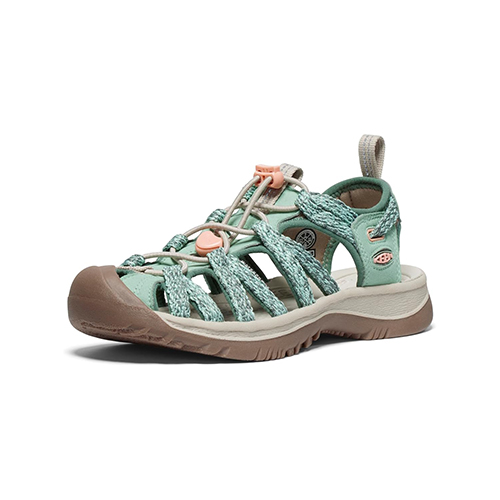
    Keen Clearwater CNX

    Swimming in the open sea requires nothing more than a towel, a bit of bravery, and perhaps a pair of Keen Clearwater CNX if you’re precious about your feet.

    Buy on Amazon

    Even if I spend more time taking photos of the sunrise than actually swimming, a beach vacation makes me feel almost human again. I might look like a seal having a mid-life crisis, but who cares.

    Why do people like wild swimming?

    Wild swimming is a bait for those of us desperate to ditch the stubborn ping of a smartphone for the immediate slap of a wave.

    Wild swimming lets me escape the real world when reading Matt Haig fails to remedy my existential crisis. I’m constantly looking for a reset button that doesn’t involve another software update or a stressful Zoom call. Immersing my body in the local beach provides respite from the overstimulating urban matrix.

    Wild swimming gives me an intoxicating feeling of being at one with the natural world. I stop being a stressed-out writer. In the city, I worry about the bills. In the ocean, I’m floating on my back beneath a sunset, feeling like a tiny particle in a grainy film.

    For others, wild swimming quenches their thirst for adventure and curiosity. Many of us have inner explorers suppressed by a dull job or questionable relationships. Whether it’s cross-country swimming with a Ruckraft in tow or simply wondering what’s around the next river bend, the uncertainty is the hallmark of the fun.

    Is wild swimming good for you?

    I once thought that “wellness” was just a fancy word for buying expensive candles and crying in the bath. But wild swimming actually offers some legitimate, science-backed perks that might help me break out of my sedentary lifestyle. Let’s dive into the cold, hard truths about why throwing yourself into a river might help you live long enough to see the robots take over.

    Cardiovascular and physiological health

    I reckon my heart is more used to the stress of a slow Wi-Fi connection than actual exercise. But dipping in open water is a bit of a biological reset. When you hit that cold water, your body triggers a fight-or-flight response, spiking your cortisol and giving you a thrill.

    Beyond the immediate shock, regular dips are associated with better pulmonary function and a stronger immune response. Every outdoor swim is an adventure where you don’t quite know how your body will cope. Is it normal to feel like a thousand tiny needles are exfoliating your skin? Absolutely. This cold shock might actually be helping your heart do its job without the usual complaints.

    Pain and inflammation relief

    Cold water is nature’s ice pack. It helps reduce the inflammation from chronic conditions like adenomyosis. It’s essentially a natural ibuprofen.

    Even the spiritual types get a look-in at St Anthony’s Well in Gloucestershire, a square stone pool deep in a thick forest where people have been dipping for centuries to cure their ailments. Sea swimming can relieve joint pain and improve sleep. If you’re feeling particularly fancy, some swimmers even use seaweed bath soaks or face oils to shield their skin from the grime and salt.

    Healthy ageing

    I’m currently at an age where my Mephistophelian mien is starting to show a few more wrinkles than I’d like. And I might test the theory that swimming is the ultimate hack for ageing gracefully. Julie Robinson reckons that swimming is the best form of exercise because it supports cardiovascular fitness, muscle strength, and balance all at once. It’s a low-impact miracle for those of us whose knees have decided to go on strike.

    Some have even used wild swimming to recover after a heart attack when other exercises are too bloody hard. Wild swimming removes the barriers that age and mobility issues usually put in our way.

    I doubt there is anything more satisfying than earning a post-swim cuppa and some chips while rejoicing in the fact that you’re not dead yet.

    Is wild swimming good for mental health?

    Dunking yourself in nature is a top-tier move for your brain. Let’s discover how wild swimming hacks your mood and why it can be a lifelong healing habit.

    Mood enhancement

    Wild swimming releases dopamine, serotonin, and β-endorphins. It can regulate your mood better than any mindfulness app. It slashes stress, fatigue, and anger.

    Even on days when my motivation is lower than my bank balance, the post-swim high is unreal. Is it the cold, or just the relief of not drowning? Hard to say. But the data show acute increases in positive mood and long-lasting reductions in grumpiness.

    Mindfulness

    Swimming in cold water makes you forget about chores, social media, or the ill effects of toxic beauty standards. Your mind focuses on your movements and breathing.

    I once stood on the edge of the cliff on Gibitngil Island, looking down at the deep blue water and my brother’s reassuring presence. I felt the fear and stressors melt.

    Therapeutic accretion

    Like a good investment in a reliable index fund, the benefits of swimming build up over time. This is therapeutic accretion. Repeated experiences in these blue spaces build a refuge from daily life that can sustain your mental health across a lifetime.

    Resilience building

    Wild swimming requires courage. Navigating the cold and the current builds a psychological strength you can use in real life. You learn to push through the fear of the initial plunge.

    You prove to yourself that you can survive the elements. An “I can conquer the world” mindset emerges when you walk out of the water. It builds self-efficacy and resilience. If I can handle an icy sea, surely I can handle a passive-aggressive email from a client.

    Is wild swimming safe?

    Wild swimming is as safe as trying to navigate a suburban car park. It’s potentially lethal and mildly humiliating. But it’s oddly rewarding once you find a spot.

    The ocean is prone to strong currents and swells that act like over-caffeinated bouncers. Tides are equally treacherous, capable of turning a leisurely paddle into a frantic, one-way trip toward the horizon.

    Cold water shock is also possible. You’ll know it when your heart performs a frantic drum solo while you hyperventilate.

    Do you enjoy gambling with your gut health? Nature often includes agricultural runoff or the occasional sewage discharge. Toxic algal blooms can turn a majestic lake into a bowl of forbidden pea soup.

    But despite the risk of gastrointestinal problems or hypothermia, the benefits often outweigh the dangers. You feel invincible once you survive the initial terror.

    Is wild swimming safe? Not particularly.

    But surrendering to the elements and feeling human again feels deeply restorative.

    What are safety tips for wild swimming?

    Think about that first hit of cold water on a stinking hot arvo. It’s the thrill of wild swimming that pulls us in, promising a mental reset that’s more effective than a double shot of espresso.

    But before you chuck your kit in a bag and head for the nearest river, you’ve got to use your noggin. Nature doesn’t always play nice.

    Here is how to stay safe while you chase that post-swim high.

    Planning and Research

    Poring over maps and tide charts is the difference between a legendary day out and a total disaster. For example, you can check The Rivers Trust Sewage Map before swimming anywhere in England or Wales to ensure you aren’t diving into nasties.

    Know your entry and exit points. You should also seek out local knowledge from lifeguards or long-time residents who know the hidden moods of the currents. Don’t attempt to conquer the elements without a clue.

    Swimming in Groups

    Swimming can be a solitary meditation. However, the sea is never truly your friend. Pick your pod wisely, choosing people with similar capabilities so no one is left struggling.

    There’s a shared suffering in the cold that bonds people closer than a Friday night at the pub. Being part of a group provides social encouragement, which can help you push past that initial frantic fear of the deep.

    Visibility is also key. Wear brightly coloured clothing and use a tow float so your mates and boaties can see you.

    The Three-Minute Rule

    When you first dip your shoulders, your body might react like it’s being hit by an electric shock. The “three-minute rule” is the golden standard for acclimatisation. It takes that long for your breathing to settle and for the fight-or-flight response to chill out.

    Once you’ve survived the first three minutes, you can usually stay in for up to fifteen, depending on the temperature. Don’t let your ego drive the bus. Even if the rest of the group is staying in, you must swim your own swim and get out when your body says enough is enough.

    Logistics

    If you’re doing a point-to-point swim, figure out how to get back to your car without walking five kays in a wet swimsuit.

    DIY adventures require a bit of snack strategy—knowing exactly where the thermos of hot tea and the Mars bars are waiting for you. Invest in a decent drybag backpack to keep your gear bone-dry. Plan for the afterdrop by having warm clothes and a communal fire ready to thaw you out. Good logistics make the adventure feel special rather than chaotic.

    What is best to wear for wild swimming?

    Getting the gear right is essential for wild swimming. Looking like a bright orange buoy is preferable to being run over by a rogue jet ski.

    This section is a curated guide to the wardrobe of the modern aquatic adventurer. This will help ensure you don’t just survive the elements but actually enjoy them. You’ll know how to stay visible, warm, and protected from the sun.

    High-visibility gear

    In the water, being seen is a literal life-saver. Solid blocks of neon are the most visible colours in the sea.

    I personally recommend the Orca Vitalis Hi-Vis Openwater Wetsuit, which features high-visibility panels so you can be spotted from a lifeguard tower. Or by a bloke on a paddleboard who isn’t looking where he’s going. Pair this with a tow float, like the New Wave Swim Bubble, which doubles as a dry bag backpack for your post-swim snacks.

    Thermal protection

    For those just starting, the Zone3 Agile or Advance models offer great buoyancy and warmth without requiring a second mortgage. If you’re feeling elite—or have a lot of pocket money—the Zone3 Vanquish-X uses high-tech materials like bio-rubber to help your body recuperate while you swim. I’ve found that even a sleeveless option like the ORCA Women’s RS1 Open Water Sleeveless Wetsuit works wonders in warmer climates when you want a bit of lift and a shield against the wind-chill.

    Footwear and accessories

    Wading into a river can feel like a game of “guess the sharp object.” And I’ve never been a fan of the barefoot-on-barnacles dance. The Archies Arch Support Flip Flops unload tension from the Achilles tendon and calves after swimming. These are made from non-porous foam and dry almost instantly.

    For the actual walk into the water, the Keen Clearwater CNX sandals are grippy enough for algae-covered rocks and won’t float away the moment you lose your footing. The Speedo Unisex Swim Goggles protects your eyes against UVA and UVB rays and provides anti-fog for a clear view.

    Sun protection

    I always bring a broad-spectrum, water-resistant sunscreen. Blue Lizard Sensitive Mineral Sunscreen is reef-safe and won’t poison the ecosystem. For extra coverage, pull on a IUGA Rash Guard for Women UPF 50+. It provides UPF 50+ protection while keeping the jellyfish at bay.

    What to do after wild swimming?

    When I’ve just emerged from the water, I look like a drowned rat. Sometimes I also wonder why I didn’t just stay in bed with my trusty Kobo. What should we do after a dip in the ocean? What do I do to stop my face from resembling a piece of 14th-century parchment?

    Rewarming protocols

    First off, you need a rewarming ritual to stop your fingers from feeling like frozen sausages. Post-swim protocols are vital to minimise the risks of hypothermia.

    Mine often involves a cuppa hot enough to melt lead. I heard that some posh spots, like Schloss Elmau in the German Alps or the Waresley Park Estate, offer saunas. That would probably feel like a divine intervention after you’ve spent three minutes contemplating your mortality in 6°C water. If you’re at Combe Head House, you might even find a horsebox sauna to hide in.

    Social reflection

    The post-swim culture often outweighs the importance of the actual swim. Swimmers stand around like a flock of damp, neoprene-clad philosophers, dissecting the “buzz” and the “mood of the sea”. It’s a shared social identity that involves a level of intimacy.

    We exchange life updates on changing bodies, ageing parents, and ADHD rabbit holes while someone passes around the mandarins.

    Rest and skin care

    My skin currently has the texture of a dried-out apricot. Rest is where my body repairs the damage I’ve just done to it. It’s essential, even if I’m mostly just adapting to a horizontal position on the couch.

    Using a high-quality, ultralight towel, such as the Widdonen Microfiber Beach Towel, helps you dry off quickly and comfortably, so you can begin the relaxation phase. Wash away waterproof sunscreens, chlorine, and river grime with Mad Hippie Cream Cleanser for your face. Dr Bronner’s Pure-Castile Bar Soap removes chlorine and saltwater odours from your body with a nourishing blend of organic oils.

    I apply Seven Minerals Aloe Vera Gel to avoid looking like a weathered sea captain. To protect my face against peeling, I use Sunly After Sun Care Stick. I also put on First Aid Beauty Ultra Repair Cream because it’s non-sticky and cooling.

    Don’t forget the Veja Women’s Etna Bold Sandals; they are the only shoes that don’t judge my swollen, blue feet after a dip. And if you’re worried about swimmer’s ear, a quick squirt of Hyland’s Earache Drops will keep the microorganisms from throwing a party in your ear canal.

    Where to go for wild swimming?

    In the Asia-Pacific region, the water is generally more forgiving. Head to Sulawesi, Indonesia, where the locals have been using sea swimming and snorkelling as a traditional form of mental maintenance for years.

    If you have a taste for the extravagant, the Nay Palad Hideaway on Siargao Island in the Philippines offers a “no menu, no schedule” existence. You wake up, wander between the beach and the mangroves, and eat whatever the local fishermen managed to haul in.

    Australia offers the Great Barrier Reef. Lizard Island Resort provides a rugged backdrop of monitor lizards. Further south, you might try a crossing to Rottnest Island in Western Australia.

    Europe provides a more cinematic experience for the discerning dipper. In the German Alps, Schloss Elmau offers lakeside swimming in Ferchensee. For a taste of the Aegean, the Four Seasons Astir Palace Hotel Athens allows you to step directly from your room into a swimmable sea.

    In Murcia, Spain, you can explore the Cabo de Palos, a harbour that is pitch black at night but brilliant in the moonlight. Sit there eating dorada. Bliss.

    The United Kingdom and Ireland have gone “all in” on the cold-water craze. In Ireland, the Forty Foot in Sandycove is a favourite for a healing dip. If you’re in Dublin, the Anantara The Marker Dublin Hotel runs trips to Vico Bathing Place, where seals or dolphins might join you.

    In Cornwall, the Budock Vean Hotel sits on the Helford River, where ancient oaks lick the edges of the water. At high tide, the water is gin-clear and full of life. It’s the perfect place to hide away in 65 acres of land and pretend the 21st century never happened.

    If you prefer the Lake District, Loughrigg Tarn is the place to be. You can step into the water as if stepping into a painting.

    Parting Thoughts

    Wild swimming trades the comfort of a memory-foam mattress for a literal face-punch of glacial water.

    Why bother? Because it is magic.

    Everyday stressors of your job and your questionable life choices float away. It’s an experience far more intense than walking in a park or staring at a screensaver.

    Plus, it makes you feel like a superhero.

    This exercise can cut down your stress, fatigue, and anger while boosting your mood. For some, it is even better than medicine, acting like a natural antidepressant that clears your head. It is a physiological thrill that triggers a rush of endorphins.

    There is a link between wild swimming and wellbeing. It’s a fun way to ditch the smartphone’s blue light in favour of the real blue of the landscape.


  • How I Started Adopting a Slow Living Lifestyle

    I’ve decided that trying a slow living lifestyle is what I need to avoid insanity.

    I am a location-independent writer and self-diagnosed highly sensitive person. I’m constantly having an existential crisis each time I hit blank-page syndrome. If, like me, your nervous system is sounding like a decade-old fridge, you’re also likely tired of the brutal pace of modern life.

    I’ve read The Death of Ivan Ilych. I know how the “hustle” ends. Quite frankly, I’d rather be sitting in my apartment, nursing a hand-poured drip coffee, than running a rat race I never signed up for.

    I got tired of always being in emergency mode and decided to try a slow-living lifestyle. Here’s why and how I chose the unhurried life.

    What is a slow living lifestyle?

    Slow living is a conscious, intentional approach to life that prioritises meaning, wellbeing, and presence over speed and constant busyness. It is not about performing every task at a snail’s pace, but rather about decelerating to do things better and focusing on what truly matters. At its core, the mindset encourages us to quit being on autopilot and become more mindful of how we spend our time and energy. It serves as an alternative to hustle culture, which often glorifies non-stop productivity at the expense of necessary rest.

    Where did the slow living movement begin?

    The principles of slowing down have roots in ancient wisdom. But the modern movement was sparked by Carlo Petrini’s 1989 Slow Food movement.

    Slow Food Nation

    This crusade began as a grassroots protest against the opening of a McDonald’s in Rome. It was a resistance to the fast life, which was seen as disrupting local cultures, habits, and health.

    Buy on Amazon

    The Slow Food movement evolved into the Cittaslow (Slow City) movement. Cittaslow’s goal is to create towns where sustainability and local culture provide dwellers a high quality of life. The movement also draws from ancient Greek concepts of eudaimonia (human flourishing) and sophrosyne (moderation).

    What are the key principles of a slower life?

    Slow living is guided by several central tenets that counteract the fast-paced nature of modern society:

    • Intentionality: Making willful choices about how to live and ensuring those choices align with your values and goals.
    • Presence and Mindfulness: Focusing on the present moment to enjoy life as it happens, not ruminating on the past or worrying about the future.
    • Deeper Connection: Cultivating more meaningful relationships with loved ones, the community, and oneself.
    • Sustainability: Redefining success through the economics of enough.
    • Ecological Awareness: Recognising that slowing down leads to a lower carbon footprint.

    Is slow living just an excuse for being lazy?

    A major misconception is that slow living equates to laziness or a lack of ambition. In reality, it is about being more efficient and effective by removing the non-essential. It does not mean you have to stop being productive. Many European countries with a strong slow living culture work fewer hours but maintain high levels of efficiency by working smarter.

    How do different cultures approach slow living?

    The concept of slow living is reflected in various global philosophies:

    • Croatia (Pomalo): A Dalmatian lifestyle that emphasises a relaxed, unhurried approach to daily rhythms like drinking coffee or eating.
    • Sweden (Lagom): A principle of “not too much, not too little” that promotes balance in all things.
    • Denmark (Hygge): Focusing on cosiness, simplicity, and quality time with loved ones.
    • Greece (Sophrosyne): An ancient tradition of moderation and slow social engagement, often seen today in the kafeneio (coffee shop) culture.
    • Norway (Friluftsliv): “Open-air living,” where spending time in nature is viewed as a vital necessity for the soul.

    What are the benefits of slowing down?

    Sometimes I catch myself staring into my coffee wondering if I can justify another croissant. My brain usually feels like a browser with fifty tabs open—half of them are frozen, and one is definitely a virus. We’re all being force-fed information until our attention spans resemble a wet biscuit. I’ve been digging into the research, and it turns out that a slow living lifestyle is actually a survival strategy for the modern neurotic.

    Reclaiming My Shredded Attention Span

    By slowing down, we let our brains function like a human organ again instead of a frenzied machine. Monotasking nurtures attention. Multitasking shatters it into a million useless shards. When we stop trying to do everything at once, we can finish a task without wanting to scream into a pillow.

    Not Vibrating with Existential Dread 24/7

    My nervous system has spent years in a state of emergency. I’ve been hyper-vigilant and amped-up on cortisol. Slowing down activates the parasympathetic nervous system. Even five minutes of deep breathing or staring at a tree (without Instagramming it) can lower your blood pressure and reduce stress hormones.

    Accomplishing More

    In Gothenburg, Sweden, a Toyota factory cut its mechanics’ hours to six a day with no loss of pay. Productivity jumped to 114%. Even W. G. Kellogg did this in the 1920s and saw workplace accidents drop by 41%.

    When people have time to decompress, they come back to work fresher and less likely to procrastinate. By creating space for rest and reflection, we make better decisions.

    Escaping the Hedonic Treadmill

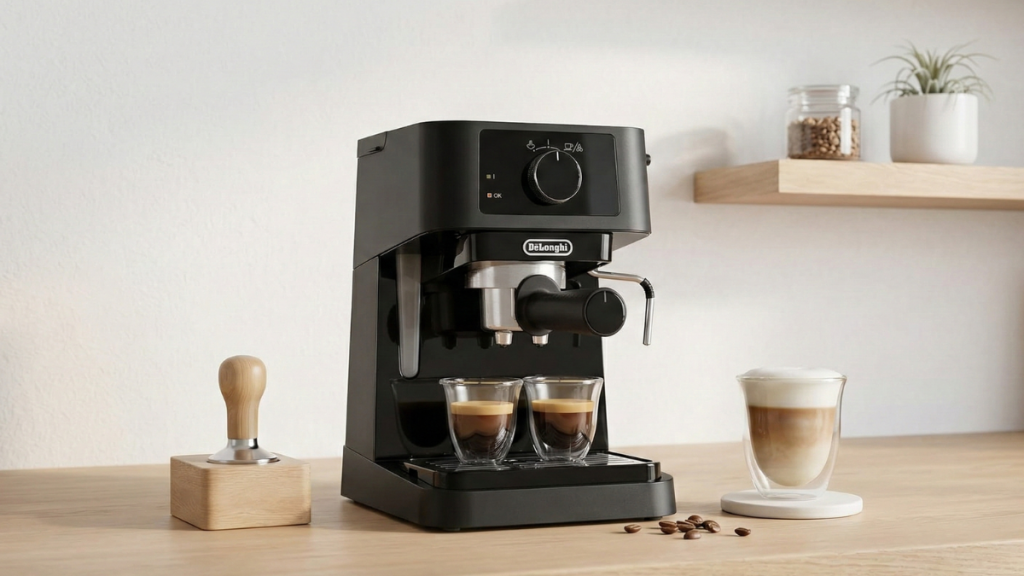
    I used to think that if I just got my hands on the De’Longhi Stilosa espresso machine, I’d be happy. But this is an illusion. We quickly adapt to life’s highs and our happiness resets to a baseline.

    The relentless pursuit of material gain and status fails to give us long-term fulfillment. Making financial decisions based on our values empowers us to escape the hedonic treadmill. In an age of acceleration and uncertainty, finance guided by wisdom provides a strong foundation for human flourishing.

    Buy on Amazon

    Instead of chasing the next hit of dopamine from a purchase, I’m finding joy in starting a new book or our cat sleeping on my lap.

    Living Long Enough to Enjoy Senior Citizen Discounts

    The residents of Ikaria in Greece have a secret. Nearly 30% of them live past 90. And it’s not because they’re all using Bio-Oil or following some influencer’s biohacking routine. They just live at their own pace, move their bodies, and drink wine with their friends instead of overworking.

    Just an extra five minutes of sleep and a few more minutes of walking per day can extend your life for another year.

    I reckon I’ll stay in this café for another hour and watch the world go by. God help me, I might even talk to a stranger.

    How do I start adopting a slow living lifestyle?

    Start by shifting your focus from “What do I need to fix?” to “What do I already have that works?” Don’t try to change everything at once. Start small and pick one habit at a time.

    I started mine by unfollowing unhelpful Instagram accounts that trigger my comparison complex. I’m much happier reading Persuasion than scrolling through someone’s curated healthmaxxing lunch.

    Take an inventory of how you spend your time and delete the apps that fry your brain. Embrace the “joy of missing out” (JOMO). Feel the peace of a dead phone battery on a cold morning in a Vietnamese stone village.

    Starting your slow living lifestyle involves recognising that you don’t have to be everything to everyone. Having the courage to say “no” is essential for an intentional life.

    How can I slow down my home and environment?

    Declutter your physical space to reduce mental stress. A cluttered house makes for a chaotic mind. Get rid of the broken and unnecessary things. They show a lack of respect for your home anyway.

    Some suggest using “feng shui” or “wabi-sabi” aesthetics to create a mindful home. This means natural textures and colours that maximise tranquillity, like deep greys or woods.

    Bringing the outside in with greenery and natural textures also has its benefits. Greenery, such as a single Monstera, can spark more joy than any expensive decor. Frame photos that make you smile, use scents like lavender, and buy towels that aren’t scratchy disasters.

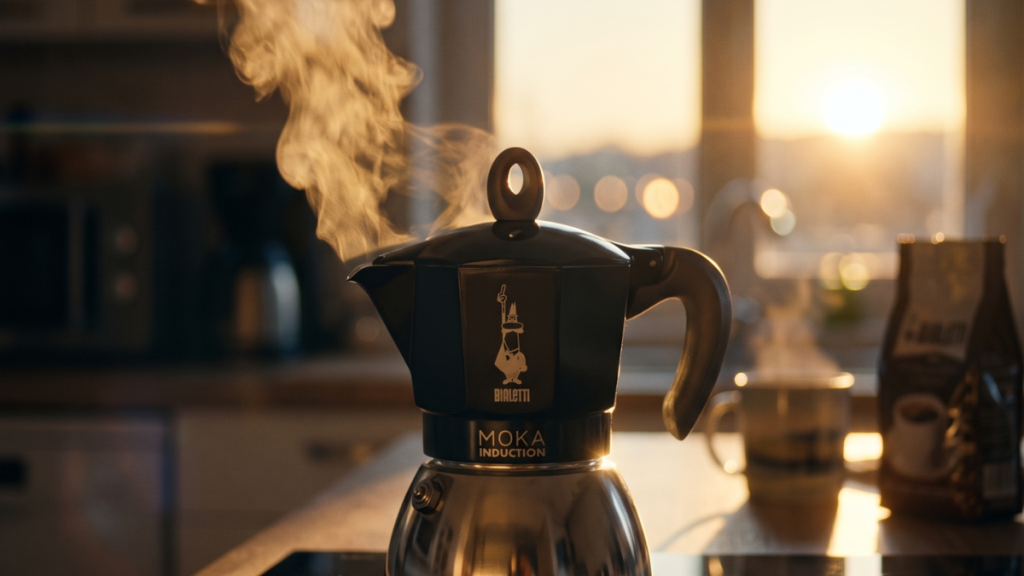
    Your home is the heart of your slow living lifestyle, or it should be. In my Cebu flat, I have my Bialetti moka pot that gives off the smell of an Italian café at 7 a.m. Plus, enough books to make a Stoic weep with joy.

    How do I create a slow daily routine?

    You can build a slow daily routine by intentionally monotasking, taking a full lunch break, and spending time outdoors.

    Personally, I struggle to quit the habit of multitasking.

    Sometimes I’m writing and then decide to “just quickly” check an email. The problem is, I stare blankly at the blinking cursor for a few seconds before my focus returns to what I was doing. This is Directed Attention Fatigue. And that’s about a minute of my life I’ll never get back.

    Juggling tasks is counterproductive and makes you error-prone. Trying to do everything at once can reduce your productivity by 40%.

    Starting your day slowly—no screens, just a cup of coffee and a book can also do wonders. You could also implement a digital sunset before bed. Put your phone outside the bedroom to avoid slumber scrolling.

    What should I eat and drink for a calmer life?

    You don’t need special concoctions to have a calmer life. But you can turn a simple cup of tea or coffee into a meditative act. Watch the boiling water change the colour of the leaves and breathe in the scent.

    Mindful eating, on the other hand, is about relishing each bite long enough so that your brain and digestive system can register that you’re eating.

    How do I take care of my mind and body?

    There are seven types of rest: physical, mental, spiritual, sensory, creative, emotional, and social. Why is sleep not enough? Because sleep is merely one way to restore energy. If your nervous system is conditioned to be “always on,” your batteries can never fully recharge.

    We are collectively trying to sustain a pace we were never designed to live with long-term. Living slowly is deviating from a world distorted by speed and greed. It is an intentional rejection of the modern culture of chronic distraction. Essentially, we need to learn how to rest properly.

    Mental health flourishes in a slow living lifestyle. As an HSP, I recognise anxiety before it spirals by taking a long walk, meeting my friends for coffee, or rewatching a few episodes of Friends.

    Can I work slowly and still be successful?

    Success should be measured by our wellbeing and the quality of our relationships. Success should not be gauged by our financial status.

    It turns out that a slow living lifestyle is actually a radical alternative to the modern urge for instant results. Many people who work fewer hours actually maintain high levels of efficiency. It is about working smarter and knowing when to stop, rather than simply grinding yourself into the dirt.

    Man's Search for Meaning

    I’ve read Man’s Search for Meaning enough to know that we shouldn’t let the system dictate our pace. Why rush when the final destination is the same for all of us?

    Buy on Amazon

    Being location-independent, I have to be my own boss. I have to make sure I don’t feel bad about stopping for a walk or a nap. I also prioritise social rest by being a satisfied introvert who avoids the other-directed trap of constantly conforming to peer expectations.

    How do I shop and spend with intention?

    Why do we feel the need to buy cheap, mass-produced clothing to feel a fleeting spark of false personalisation?

    We are trapped in a culture that prioritises instant gratification over substance. To shop and spend with intention, we must first acknowledge hedonic adaptation. It’s the psychological trap where we adapt to new purchases so quickly that our baseline happiness never actually budges. We tell ourselves a new car will change us, but the excitement fades faster than a cheap tan.

    A slow living lifestyle offers a radical alternative. It’s moving from a “mode of having” to a “mode of being”. Instead of mindlessly clicking “add to cart” for a dopamine hit, we should research sustainable brands like Dopper or TwoThirds.

    In my own life, I apply this by being quite ruthless with my boundaries. I reckon I’ve become a connoisseur of “enough”. Before I buy anything more than $10, I give myself a 24-hour “cooling off” period to see if the desire survives the night.

    I’ve stopped trying to find my identity in objects. Instead of shopping, I mend my own clothes. Extending the life of a garment by just nine months can reduce its carbon footprint by 20%.

    My sustainable capsule wardrobe avoids the logistical headache of checked luggage and the moral headache of fast fashion. I’ve found that a small suitcase is the new status symbol.

    How do I travel and play with a slow mindset?

    “Plan so you don’t cram” sounds like something my boyfriend would say. He used to be in a hurry to visit every landmark in every place we visited. Now, he is brave enough to say “Let’s relax today.”

    Slow travel does not sacrifice your sanity for the itinerary. It means swapping constant packing for slow stays where the local shopkeeper begins to recognise your face.

    Then there is the concept of “play.” Why don’t we play more as adults? “Adult play”—whether it’s board games, puzzles, or “body play” like snorkelling—reduces stress and stimulates brain growth. You don’t need to turn every hobby into a side-hustle. Play simply for the joy of it.

    Final Thoughts

    This slow living lifestyle has changed the way I view my chaotic inner monologue. Is it working? Well, I’m still a disaster, but as I’ve written before, at least I’m a well-caffeinated one. Slow living is the only way not to reach the end of my life and discover, as Thoreau feared, that I had not lived.

    Your career isn’t your soul, and your passport stamps aren’t your legacy. Find a tree to sit under, or at least a very comfortable couch. I’ll be on mine, likely re-reading The Count of Monte Cristo for the third time, because rushing through a good book is a crime I’m no longer willing to commit.

    We only have one body, and no amount of lifestyle improvement will defeat the binary nature of life. We might as well enjoy the ice cream and the hand-poured coffee while we’re here.

  • Looksmaxxing and the Effects of Toxic Beauty Standards

    Staring into my bathroom mirror, I find myself thinking about the effects of toxic beauty standards. At this hour, only the truly unhinged or those recovering from a Criminal Minds marathon are awake. I am both.

    My reflection doesn’t offer the consolation I seek. I mentally enumerate some deficits: thick, asymmetrical brows, pores that look like miniature craters, and a jawline that has seen better days.

    The effects of toxic beauty standards are evident in the many virtual and in-person interactions I witness. This is how I try to defy them.

    Why are we obsessed with the ‘Blackpill’ and ‘Hardmaxxing’?

    The effects of toxic beauty standards are particularly visible in the rise of looksmaxxing, the extreme physical optimisation of one’s face and body to climb the social ladder.

    Meanwhile, within the darker corners of the manosphere’ lies the blackpill ideology. It’s a fatalistic worldview suggesting that your romantic success is dictated solely by your genetics.

    If you aren’t a “Chad”—the mythological archetype of the symmetrical, hypermasculine God—you are encouraged to hardmaxx. This does not mean getting a nice haircut or a splash of Revlon. It means surgery-maxxing to fix an incel-type face. It’s as if the human form is merely a software project in need of an extreme patch.

    What is the biggest problem in the beauty industry?

    The beauty industry is a transformer that plugs into our insecurities and converts them into billions of dollars in revenue. These companies keep us in a state of normative discontent. Hence, hating our bodies has become a standard hobby. They sell us holy oils with pseudo-scientific names but are actually just overpriced wool grease.

    Worse still, the industry is riddled with a lack of transparency. We are lathering ourselves in endocrine-disrupting phthalates and parabens.

    In Nigeria, studies found lipsticks contaminated with toxic metals like lead, cadmium, and chromium. Meanwhile, in Ghana, 40% of the female population uses synthetic hair extensions. This practice generates 167 tonnes of waste annually. It releases carcinogenic volatile compounds and microplastics that could likely survive a nuclear winter.

    Who is most affected by beauty standards?

    When the effects of toxic beauty standards hit Gen Z and Gen Alpha before they’ve even cleared puberty, we have to admit the sky is falling. Nine-year-old girls are already dieting because they feel too fat. It’s heartbreaking. For these kids, being beautiful is a dopamine-driven compulsion monitored by the quantification of social approval.

    While 85–90% of cosmetic spending still comes from women, men are rapidly being colonised by the same anxieties. A third of men now seek surgical procedures, and 10% of college students with eating disorders are male.

    We’ve also exported a highly Westernised, Eurocentric white beauty ideal across the globe. Women in Asia and Africa now spend $23 billion annually on skin-lightening creams.

    What are the consequences of chasing beauty standards?

    Toxic beauty standards lead us to assess our bodies like a collection of car parts for sale. This constant surveillance is exhausting.

    I think of “Artemis,” a teenage girl Renee Engeln interviewed, who felt her lack of skinniness “ruined it all,” even though she was brilliant at science. She was “beauty sick.” When your emotional energy is so bound up in the mirror, it becomes impossible to think of anything else.

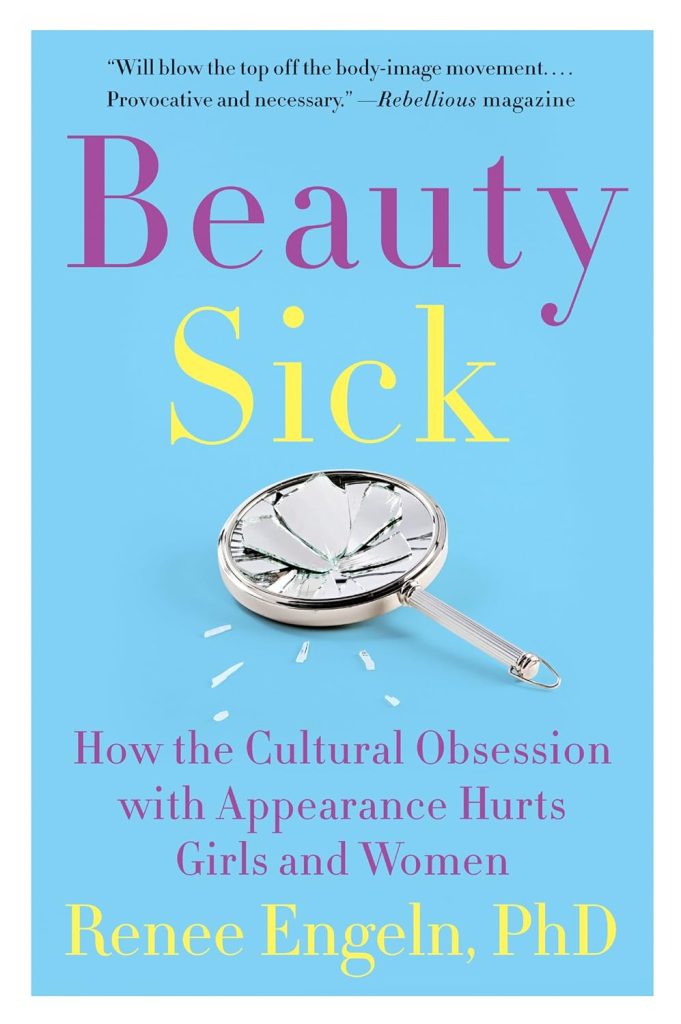
    Beauty Sick: How the Cultural Obsession with Appearance Hurts Girls and Women

    Beauty Sick reveals how our obsession with appearance steals the time, money, and mental energy we need to pursue our dreams and live fully. Through scientific research and real-life stories, Engeln demonstrates that overcoming this affliction requires dismantling the inner thoughts that fuel depression, body shame, and self-objectification.

    Read this book to discover the solutions needed to reject toxic beauty standards.

    Buy on Amazon

    The literal physical harm, such as “bone-smashing”—a trend where boys strike their own facial bones to “improve” structure—is one of the more terrifying effects of toxic beauty standards.

    Skyrocketing rates of anorexia and social anxiety are also a direct testament to this phenomenon. We spend $15,000 in a lifetime on makeup, money that could have paid for a university degree or at least a very nice Maldivian getaway.

    Do attractive people have better mental health?

    Even those labelled PSL Gods aren’t immune to the effects of toxic beauty standards. Research shows that the happiest people are no more attractive than the average ones. Being beautiful often means you have a more relevant standard of comparison to fail against.

    Attractive people often struggle with body appreciation—valuing what the body does rather than how it looks. If you base your self-worth on something as fleeting as a youthful epidermis, you’re basically building a house on a geological fault line.

    How do beauty standards affect relationships?

    Beauty standards are the unwelcome third wheels in every first date, turning what should be a bit of fun into a high-stakes audit. According to the Marriage Market Theory and Selection Hypothesis, we’re all just trading on erotic capital like horny stockbrokers.

    Interestingly, a woman’s BMI does not predict relationship success. But her perceived body image does.

    But the real passion-killer is scrutiny. It lowers relationship satisfaction for both men and women. Emotional intimacy suffers when a partner focuses more on physical appearance.

    The barrage of beauty pornography creates a fantasy gap between real-life partners. Men who fixate on these ghosts are unable to see the beauty in a real human nursing them when they’re sick.

    In manospheric subcultures on TikTok, these effects of toxic beauty standards fuel deep misogynistic hostility. These guys frame romantic failure as a political injustice. They think feminism has over-empowered women to be too selective.

    My advice? Stop acting like a high-court judge. The most successful relationships are those that appreciate rather than dissect.

    Final Thoughts

    We can’t pretend these toxic beauty standards don’t exist. They present themselves the moment we park in front of social media. We see them in family dinners and high school reunions.

    We can rebel against the effects of toxic beauty standards by staring into the sea, holding a cocktail instead of a mirror. Focus on what your body does, like swimming or holding your man in a tight hug.

    Refuse to engage in fat talk. Choose authenticity over perfection. And remember, today is always worth celebrating, even if your eyebrows are currently a disaster.

  • Delonghi Stilosa Espresso Machine Review: Is It the Right Choice for Your Kitchen?

    My Delonghi Stilosa espresso machine review reveals that this unit is a champion of value for beginner home baristas on a strict budget. It offers 15-bar pump pressure and a stainless steel boiler in a compact design. It doesn’t have the automation of pricier models, but its trouble-free interface makes learning espresso easy. This machine is ideal for anyone looking to move beyond pods without spending too much money.

    I created this Delonghi Stilosa espresso machine review for the home barista seeking a dependable espresso machine that won’t take up too much space. My years running a coffee shop taught me that a simple machine often works best for new enthusiasts. Knowing these technical details will help you pick the model that suits your daily coffee routine and skill level.

    Read this Delonghi Stilosa espresso machine review to see how it can enhance your home coffee experience and save you money on café visits.

    Pros and Cons of the DeLonghi Stilosa

    The DeLonghi Stilosa is a great budget-friendly, compact machine. It delivers 15-bar extraction and has a sturdy stainless steel boiler. However, users need to deal with its lightweight plastic build and basic accessories.

    Why Value and Size are the Biggest Strengths

    The Stilosa is one of the most affordable espresso machines for home users. At a low price, it has the essential hardware to pull a concentrated shot of coffee. You’ll find it weighs under 4.3 kilograms, making it easy to move. Its slim profile fits well in small kitchens, dorm rooms, or even campervans.

    A stainless steel boiler is a standout feature. It offers better durability and heat stability than traditional aluminium ones. Experts prefer stainless steel because it’s lead-free and resists harmful limescale buildup over time. While many entry-level units feel like toys, this boiler gives the Stilosa a more professional foundation. It heats up in three to five minutes, faster than many traditional machines.

    Understanding the Limitations of a Budget Build

    The machine’s lightweight plastic housing helps keep its price low. However, this may cause the unit to shift when locking the portafilter. This “plasticky” feel also applies to the included accessories, like the scoop and basic tamper. I suggest buying a metal tamper to ensure consistent pressure during extraction.

    Small filter baskets limit your coffee quantity, often leading to thinner espresso shots. The double-shot basket can barely hold 15 grams of finely ground coffee. This results in a lower extraction yield of about 11.8%, which falls short of professional “Golden Cup” standards.1 To overcome these limitations, use high-quality beans for a balanced flavour.

    Technical Performance: The 15-Bar Pump and Stainless Boiler

    The Stilosa uses a powerful 15-bar Italian pump to ensure optimal pressure for crema production. It is paired with a rapid-heating stainless steel boiler for consistent water temperature.

    How the 15-Bar Pump Impacts Your Crema

    Pump pressure is key for pushing water through the coffee puck to create crema. The Stilosa’s 15-bar pump easily hits the 9 bars needed for brewing. You’ll notice a layer of foam on your shots, though it might be more bubbly than professional crema. This foam shows that your machine is extracting important coffee solids into your cup.

    The 15-bar system boosts consistency, helping beginners fix small tamping or grind mistakes. While pros prefer a steady 9-bar flow, this extra power prevents water from getting stuck. I’ve found this higher pressure is forgiving when using pre-ground coffee from the supermarket. It lets you enjoy a “good enough” daily coffee without a steep learning curve.

    Efficiency of the Rapid Heating Boiler

    The Stilosa has a real single boiler that sits above the brew group for better heat. This setup keeps the water at the right temperature as it moves to the dispersion screen. Once you flip the main switch, the unit automatically targets the correct brewing temperature. A dedicated “Ready” light will turn on when the water is hot enough to brew.

    Temperature management is manual since this machine lacks a digital PID controller for precision. If the machine has been idle, I suggest running a blank shot to warm the portafilter first. This trick keeps your espresso hot and prevents the sour taste from under-extracted coffee beans. Also, purge about 60 ml of hot water after steaming to cool the boiler down.

    Comparison: Stilosa vs. Breville and Other Models

    The DeLonghi Stilosa is the most affordable entry point in the market. It provides better value than the Breville Roma. but lacks the advanced speed of the Bambino Plus.

    Side-by-Side Technical Comparison Matrix

    This comparison table highlights the differences in specifications across the most popular home barista machines to help you find your perfect match.

    FeatureDeLonghi StilosaBreville Cafe RomaBreville Bambino PlusBreville Barista ExpressBreville Barista ProDeLonghi Dedica (EC890)
    Heating SystemStainless BoilerThermoblockThermoJet (3s)ThermocoilThermoJet (3s)Dual Thermoblock
    Pump Pressure15-Bar15-Bar9-Bar15-Bar (9-bar ext)15-Bar15-Bar
    InterfaceSelector DialAnalog DialPush ButtonsAnalog/ButtonsLCD / DigitalTouch Panel
    Water Tank1.0 Litre1.2 Litres1.9 Litres2.0 Litres2.0 Litres1.1 Litres
    GrinderNoNoNoYes (16-18 levels)Yes (30 levels)No
    Body MaterialPlastic/SteelStainless SteelStainless SteelStainless SteelStainless SteelPlastic/Steel
    Auto MilkNoNoYesNoNoNo
    Typical Price~$149~$200~$499~$599~$799~$349

    General Breville vs. DeLonghi brand differences

    Breville leads in innovation and build quality with more stainless steel in their designs. Their machines often have PID temperature control and faster ThermoJet heating systems for better espresso. When comparing the Breville Barista Express vs Pro, you’ll see a focus on professional features for enthusiasts. Breville is ideal for those wanting to practice and master barista skills.

    DeLonghi offers simpler, more affordable machines that emphasise ease of use and traditional Italian designs. Models like the Dedica and Stilosa are compact, making them great for small apartments. While they use more plastic parts, they deliver reliable performance at a lower price. However, in my Delonghi Dedica Espresso Machine Review, I noted Dedica’s three programmable infusion temperature levels lets it create consistent espresso quality each time, which is lacking in the Stilosa model.

    Choose DeLonghi for a dependable value machine that makes “good enough” coffee daily.

    Delonghi Stilosa Espresso Machine Review: Technical Metrics

    The DeLonghi Stilosa is a high-value appliance. However, it trades some technical precision and weight for a compact and approachable user experience.

    MetricBenchmarking ResultSpecificationSignificanceRating
    Temperature StabilityManual management150ml BoilerVital for flavor consistency3/5
    Start-up TimeReady in 3-5 minsStainless BoilerImpacts your morning routine4/5
    Crema QualityPresent but thin15-Bar PumpVisual proof of extraction3.5/5
    Microfoam QualityBubbly textureManual WandCritical for milk-based drinks3/5
    Unit WidthExtremely compact203 mm (8.0 in)Saves precious counter space5/5
    Unit WeightVery lightweight4.3 kg (9.5 lb)Impacts stability during use2/5
    Water CapacitySmaller reservoir1.0 LitreFrequency of required refills3/5
    Noise LevelStandard vibrationVibratory PumpImpacts morning kitchen quiet3/5
    Ease of UseVery intuitiveSelector DialBeginner-friendly navigation4.5/5
    MaintenanceStraightforwardRemovable TankExtends machine longevity4/5

    Average Rating: 3.6/5

    How to Use the Stilosa for Best Results

    To get the best results from your Stilosa, fill the 1.0-liter reservoir with fresh water and allow the boiler to preheat fully.

    Mastering the extraction process

    The quality of your coffee relies more on your grinder and beans than on the machine. Use a high-end burr grinder for a fine, uniform grind size needed for espresso. If your espresso runs too fast and tastes watery, adjust your grind to be finer. A Bialetti moka pot gives similar strength, but the Stilosa is more versatile for milk drinks.

    Tamp your coffee grounds firmly with about 15 to 20 kilograms of pressure. This is key for balanced flavor. If you press too lightly, water will rush through the puck and create a sour shot. You’ll need to manually stop brewing by turning the dial to “Off.” I recommend timing your extraction to 25 to 30 seconds to hit the sweet spot of the roast.

    Tips for silky milk microfoam

    Start with fresh, cold whole milk at about 5°C to achieve the most satisfying froth density. You should submerge the steam wand tip just below the surface to introduce air before moving deeper. Creating a vortex or “whirlpool” in the pitcher is the secret to making the milk silky and sweet. The Stilosa’s wand is manual, so you have full control over the final texture of your foam.

    Always purge and wipe your steam wand immediately after every use to prevent milk from clogging the nozzle. Milk proteins can dry quickly on the hot wand and become very difficult for you to clean later. If the wand becomes blocked, you can use a small pin to clear the hole in the tip. Regular cleaning will ensure your machine continues to produce the best quality results you expect.

    Common Problems to Consider Before Buying

    Potential buyers should be aware of durability issues related to plastic components. Also consider the limited customisation options provided by this entry-level model.

    Build quality and durability concerns

    A common issue is that lightweight machines can shift during use. You may need one hand to steady the machine while locking the portafilter. Water sensor failures or leaks from rubber seals after the warranty ends may also occur. While DeLonghi has a strong reputation, maintenance is crucial to keep your unit running for more than five years.

    The small footprint means the drip tray is also tiny and can overflow quickly if you’re not careful. You’ll need to empty it often, especially if you purge the group head regularly to manage heat. I suggest checking the “Empty Me” indicator frequently to avoid spills on your counter. Good water quality and regular descaling are your best defences against internal failures.

    Customer service and parts availability

    Some users have reported that DeLonghi’s customer service can be slow to respond to warranty claims or technical issues. You may find yourself spending a significant amount of time on the phone if your unit requires a replacement. However, a major advantage of the brand is the extensive global availability of affordable spare parts. If you are handy with basic repairs, you can easily find new gaskets or valves to fix the unit yourself.

    Final Thoughts: Is the Stilosa for You?

    My final expert advice in this Delonghi Stilosa espresso machine review is that this unit is the absolute best choice for a first-time buyer on a budget.

    Buy the Stilosa if:

    • You are on a strict budget: It is one of the cheapest ways to get real 15-bar espresso at home.
    • You have very limited space: The compact 8-inch width fits in even the smallest Australian kitchens.
    • You are a complete beginner: The simple dial and pressurized baskets make it easy for you to get a great shot immediately.
    • You want to use ESE pods: It offers the flexibility to use ground coffee or convenient paper pods.

    Avoid the Stilosa if:

    • You want professional latte art: The basic wand makes it very difficult for you to achieve perfect microfoam.
    • You hate plastic: Most of the external housing and included accessories are made of lightweight plastic.
    • You want a built-in grinder: You will need to invest in a separate high-quality grinder to get the best results.
    • You want instant speed: It takes several minutes to heat up, unlike the 3-second start of the Bambino Plus.
    Delonghi Stilosa Espresso Machine Review

    Frequently Asked Questions

    Which is better, the DeLonghi Stilosa or the Breville Roma?

    The Breville Roma has a superior full stainless steel build and a larger water tank, but the Stilosa fits larger cups better. The Stilosa is generally much more compact and affordable for those on a very tight budget.

    Are DeLonghi coffee machines of good quality?

    Yes, DeLonghi machines provide excellent value and dependable performance for the price, though they use more plastic than premium brands. They are widely respected for their traditional designs and beginner-friendly interfaces that make brewing easy.

    What kind of coffee do I use for the DeLonghi Stilosa?

    You should use medium to dark roasts ground specifically for espresso to get the richest flavour and best crema. Using fresh whole beans with a quality grinder will always yield a better cup than pre-ground supermarket coffee.

    Can you use Nespresso pods in De’Longhi Stilosa?

    No, the Stilosa is only compatible with ground coffee and ESE (Easy Serving Espresso) paper pods, not plastic Nespresso capsules. ESE pods are a convenient option if you do not want to grind and tamp your own beans.

    How durable is the Delonghi Stilosa?

    The Stilosa can last five to eight years if you descale it regularly and use softened, filtered water to prevent buildup. While the housing is plastic, the internal stainless steel boiler is great for long-term resistance to heat and scale.

    Can the Stilosa make lattes?

    Yes, the built-in manual milk frother allows you to heat and texture milk for lattes, cappuccinos, and other milky drinks. You will need to buy a separate milk pitcher to use with the steam wand.

    Sources:

    1. Santanatoglia, Agnese, et al. “A Comprehensive Comparative Study among the Newly Developed Pure Brew Method and Classical Ones for Filter Coffee Production.” LWT, vol. 175, 2023, p. 114471. ScienceDirect, https://doi.org/10.1016/j.lwt.2023.114471. ↩︎

  • Bialetti Moka Pot: What Makes It So Unbelievably Special?

    The Bialetti moka pot brews bold, espresso-like coffee without electricity, fuss, or barista training. You just need ground coffee, hot water, and a bit of patience. It’s a stovetop icon that’s lasted nearly a century because it works. You get both a brewer and a slice of Italian history, wrapped in an eight-sided aluminum body that hasn’t changed much since lolo Alfonso Bialetti sketched it in the 1930s.

    If you’re brewing solo, the best moka pot size for one person is the 3-cup model. Keep reading to learn why that size works best, how to avoid brewing mistakes, and how to choose the right moka pot for your daily routine.

    1. It Stands Out for Its Iconic Italian Design

    The Bialetti moka pot stands out with its recognizable shape: eight sides of polished aluminum, a little black handle, and that sturdy, screw-on base. Italian engineer Alfonso Bialetti designed it in the 1930s, inspired by the shape of early industrial machines and the simple joy of brewing coffee at home. 

    Over time, the design stayed mostly the same because it’s functional. The octagonal body helps evenly distribute heat. The top half stays cool enough to touch, while the bottom half pulls every last drop of flavor from your grounds.

    Eventually, museums started paying attention. MoMA in New York and the Science Museum in London placed it in their permanent collections. More than a kitchen tool, it’s industrial art. It captured a moment in Italian history and somehow still fits on your stove today.

    2. It Delivers Rich, Espresso-Like Flavor at Home

    The Bialetti moka pot brews coffee by forcing steam through finely ground beans, creating a strong, concentrated cup without the pressure of an espresso machine. Steam builds in the bottom chamber, pushes through the grounds, and bubbles into the top. It’s like magic, but it’s actually physics.

    Unlike espresso, which uses nine bars of pressure, moka coffee hovers at around 1.5 bars. The result is a thicker body than drip, a bolder taste than French press, and a texture almost like espresso but with a gentler punch.

    But small mistakes—like tamping the grounds or using water that’s too hot—can ruin the flavor. You might get bitterness or that burnt, metallic aftertaste. 

    To get it right, focus on the ratio. For a 3-cup moka pot, use about 18–20 grams of coffee and 6.5 fl oz of water. Don’t fill past the safety valve. Keep the flame low. With practice, your kitchen will smell like a Roman café at 7 a.m.

    3. It’s Built with Durable, No-Fuss Engineering

    The Bialetti moka pot keeps things simple. No buttons, no cords, no drama. You just add water, coffee, and heat. That’s it. It works on gas, electric, induction cooker, and even a camping stove. No power? No problem.

    The original models use aluminum, which heats quickly and evenly. Stainless steel versions are heavier and induction-compatible, but aluminum gives that old-school charm. Both can last for years. 

    But beware of fakes. Look for the little man with a mustache on the side. Real Bialetti pots have a sharp logo, clear engraving under the base, and that distinct octagonal shape.

    If you care for it, the pot will outlast your kettle. Replace the gasket once in a while, don’t use soap, and let it dry completely. That’s all. It’s the kind of gear you pass on—or don’t want to, because you still love it after 20 years.

    4. It Turns Coffee into a Daily Ritual and an Everyday Romance

    Brewing with the Bialetti moka pot has become my daily habit. A short break after hours of screen time and silent fatigue. Around mid-morning, I step away from the tabs, the blinking cursor, the endless scroll.

    I fill the base, scoop the grounds, and wait for that steady hiss that reminds me I have a body to take care of, not just a career. It’s a key part of My Simple Coffee Break Routine to Prevent Digital Burnout.

    5. It’s Easy to Clean, Maintain, and Love

    The Bialetti moka pot keeps things easy even when it’s time to clean. After each brew, you rinse all three parts with water. Don’t use soap. Soap strips the oils that help season the pot over time.

    To avoid aluminum oxidation, you must dry it completely. Water spots can leave chalky marks or worse, rust. Use a soft towel or let it air dry with the lid open.

    With regular use, the pot seasons naturally. The flavor gets richer, smoother, less metallic. That’s part of the charm. Some people chase perfect seasoning the way others chase crema.

    But maintenance matters. Check the gasket—the rubber ring inside the bottom chamber. If your coffee starts sputtering weirdly or leaking at the seam, it’s probably time for a new one. Most gaskets last months, even years.

    It’s a low-effort ritual. And like all good love stories, it only gets better with care.

    6. It’s an Affordable Gateway to Becoming a Home Barista.

    The Bialetti moka pot opens the door to home brewing without draining your wallet. For beginners, the classic aluminum 3-cup model is just right —not too big, not too small. It’s affordable, sturdy, and easy to use, even half-asleep on a weekday morning.

    Compared to a French press or AeroPress, the moka pot delivers a richer, more espresso-like cup. French press gives body, AeroPress offers clarity, but moka? Moka gives character—that deep, bold flavor with a little bit of bite.

    And the best part? You can use grocery store beans and still get coffee that tastes like it came from a café in Naples. It’s proof that good flavor doesn’t have to be expensive.

    Skip the $800 espresso machine with its blinking lights and complicated buttons. Unless you really want latte art, the moka pot gets the job done. It’s affordable, but in the most dignified, delicious way.

    7. It Has Earned Its Place as a Global Cultural Icon.

    The Bialetti moka pot has earned a spot not just in kitchens, but in pop culture. You’ll see it in The Talented Mr. Ripley, sitting quietly in an Italian flat, brewing coffee like it’s part of the script. But it’s not just for props, the moka pot is a lifestyle.

    From Italy, the moka pot spread across Europe, then the world. It caught on because it made strong coffee without the price tag or the intimidation. People brought it with them when they moved. Others discovered it while traveling.

    Bialetti has leaned into the fame, launching collector’s editions like the Dolce & Gabbana design and even a Bridgerton collab with Netflix. 

    Bialetti Moka Pot

    Coffee purists love its clarity and consistency. Travelers love how portable it is. The shape is iconic, the function timeless. It’s a cultural artifact that brews memory and flavor in one go.

    8. It Gives You the Freedom to Brew Great Coffee Anywhere

    You can take good coffee wherever you go. The Bialetti moka pot brews just as well on a campsite as it does in your kitchen. Campers pack it with a mini butane burner and a hand grinder. No electricity, no bulky gear, just hot coffee under open skies.

    Pair it with travel-friendly tools like a collapsible kettle or an airtight bean canister. Keep it light, but don’t compromise on flavor. 

    At high altitudes, water boils at a lower temperature. This affects pressure and brew time, so use a slightly finer grind and a gentler flame. Watch closely. The coffee will rise faster than usual.

    The moka pot works on gas, most electric stovetops, and certain induction burners. Whether you’re in a forest, a hostel, or a city flat, this humble pot lets you brew anywhere, anytime. 

    Parting Thoughts

    You don’t need fancy machines to enjoy rich, full-bodied coffee. You just need heat, patience, and a bit of trust in the process. The Bialetti moka pot has earned its place through design, durability, and daily use. It brews more than coffee—it creates moments worth pausing for.