This Cebu to Siquijor travel guide will help you ensure your trip is as gripping as the legends that surround this enchanting place.
I remember the excitement as I descended from the ferry and shielded my eyes from the intense sunlight. We had just arrived on the small island of Siquijor, often referred to as the “mystic island” or “Isla del Fuego.”
The crystal-clear water at the Siquijor Port caught my attention at once. Its turquoise water was so enticing, I almost wanted to dive in! It was different from the usual murky brown found at so many other ports around the Philippines.
While many people treat Siquijor as a mere side-trip, spending only a night or two, we wanted to immerse ourselves in its landscape and folklore.
Siquijor is less than half the size of Singapore and home to just over 100,000 people, yet it packs an epic amount of nature and history into its 337 square kilometres. It sits off the southern tip of Negros and Cebu and remains one of the few places where you can still feel a lingering sense of the ancient world.
How Do I Get From Cebu to Siquijor?
Travelling from the streets of Cebu to Siquijor takes some careful preparation, but the route is part of the adventure. To start with, be warned that the ferry ride is anything but a quick jaunt.
You will start your sea travel in Cebu City and make a quick stop at Tagbilaran in Bohol before reaching Siquijor Town or Larena. The whole trip can last over 5 to 6 hours, depending on the sea conditions and ferry schedules. Even if you have to exercise some patience, the destination is well worth the distance.
I chose an OceanJet tourist-class seat for ₱1,600 (approximately US$30). The ferries are equipped with air conditioning to combat the tropical heat. The seats are comfortable, though not luxurious.
Usually, Pier 1 is where you’ll take the ferry. For those looking to optimise their time, think about which harbour, Larena or Siquijor Town, is nearer to your lodgings. If you are staying in the popular San Juan area, it is best to hop on a ferry to Siquijor Town.
On the other hand, if you would rather get off at Larena Port, you have the choice of Lite Shipping, which is a more budget-friendly alternative, though the travel time is longer—approximately 10 hours. Also, remember to account for the terminal fees by adding an extra ₱25 to your budget.
For us, having spent time in Dumaguete first, the final leg was much shorter—only a nearly two-hour ferry ride from Dumaguete Port.
How Do You Get Around in Siquijor?
Following this Cebu to Siquijor travel guide helps you navigate the island like a seasoned traveller. Island life is all about discovery, so you’re going to love watching the stunning views pass by.
- Motorcycles: We rented a motorbike near the port upon arrival. Expect to pay around 350–400 pesos per day for a rental.
- Tricycles: These omnipresent three-wheelers are essential for short trips within a village. For short hops, you can expect to pay around 20–30 pesos. The fare increases for longer distances, sometimes reaching 300 pesos depending on your destination.
- Multicabs: Imagine them as communal jeepneys on a fixed track. Great for those on a tight budget, but they have limited schedule options.
- Private Car Rental: For those seeking ultimate comfort or travelling with a family, this is an option. Your hotel can usually help arrange this.
As Robert Pirsig once noted, “Sometimes it’s a little better to travel than to arrive,” and on Siquijor’s winding coastline roads, this sentiment hits home.
Where Should I Stay in Siquijor?
As you plan your itinerary, this Cebu to Siquijor travel guide highlights a delightful selection of places to rest. You will find affordable hostel options alongside boutique hotels and quiet luxury resorts. However, where you choose to stay matters just as much as your total budget.
San Juan and its sandy shores are the perfect destination for beach-lovers. Here, you’ll find various seafront resorts. Larena, the heart of the island, offers easy access to restaurants and attractions. It also offers hidden treasures, such as Thornton’s Sea View Cafe.
Coco Grove Beach Resort offers beachfront relaxation and assorted dining options. You can also check out Salamangka Beach and Dive Resort and its breathtaking infinity pool. Siquijor Sunset Glamping Village provides cozy tents for a charming stay. Many resorts offer a combination of private rooms and shared spaces so you can connect with fellow travellers.
What are the Best Things to Do in Siquijor Island?
Siquijor is brimming with undiscovered treasures. The scenery is the main reason Siquijor is so attractive, and you must dive into its elements.
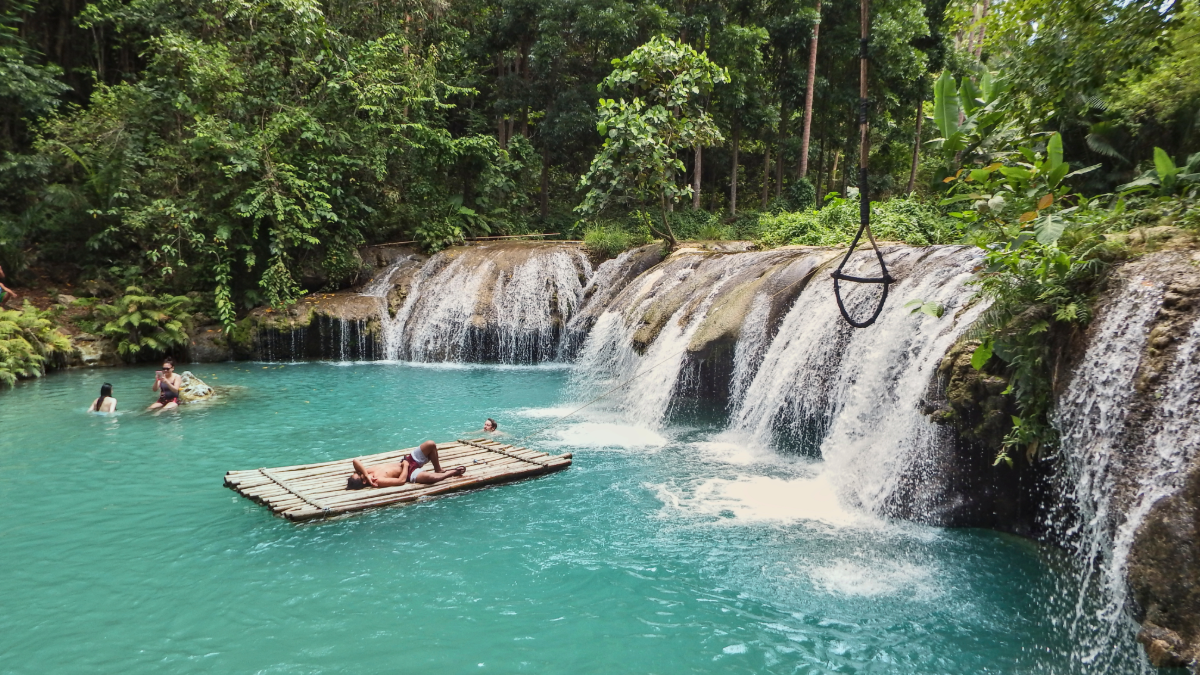
- Cambugahay Falls: Picture a sequence of cascading turquoise pools in a vibrant forest environment. Make sure to experience the Tarzan swing for an incredible rush of excitement before you leave!
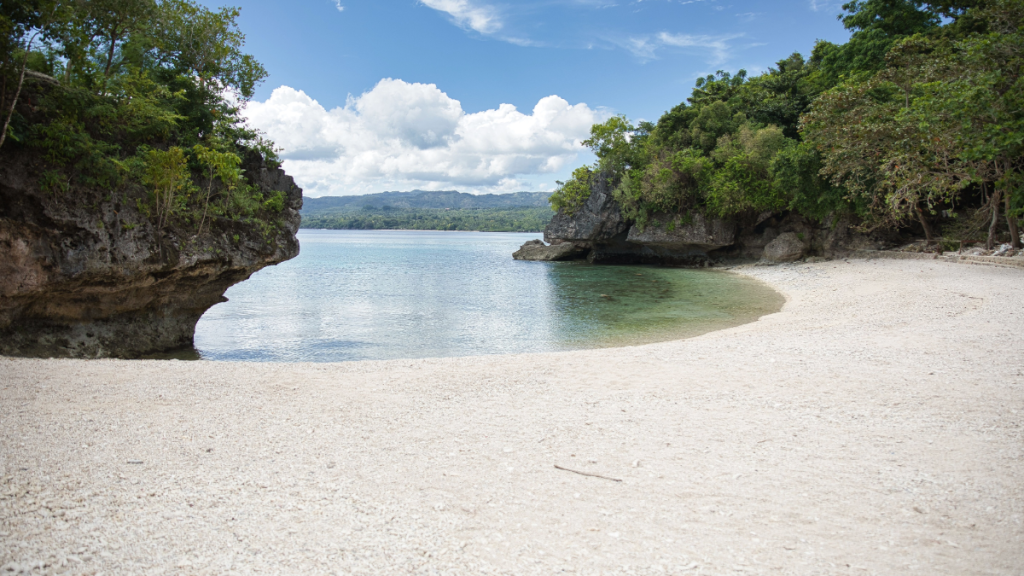
- Salagdoong Beach: A beautiful shore with crystal-clear waters and stunning cliffs. It provides a thrilling cliff jump for adventurous souls.
- Paliton Beach: The “picture-perfect tropical beach” with coconut palms, white sand, and tranquil waters. It is the perfect place for a peaceful afternoon of contemplation.
- Lagaan Falls: Located further into the interior of the island, these waterfalls provide a more secluded and exotic experience.
- The 400-Year-Old Balete Tree: Located in Lazi, this tree is not just a landmark but a site of folk healing.
- Dark Tourism and History: For a gripping historical experience, visit the Lazi Convent and Lazi Elementary School. These are Gabaldon buildings built around 1920 that served as Japanese garrisons during World War II.
What is the Famous Delicacy in Siquijor?
An ideal Cebu to Siquijor travel guide always includes the local food scene. You will find charming places with an abundance of flavours across the island. Hungry visitors can enjoy many delectable snacks that reflect this rich island culture.
One must-try is the pan bisaya. It’s a local bread found in almost every village bakery.
Keep an eye out for peanut kisses if you have a sweet tooth. Many tourists associate them with Bohol, but the homemade versions in Siquijor are exceptional.
Dried mangoes and other tropical delicacies are also available at the local markets. These treats are often bought as pasalubong by Filipino tourists.
Where to Eat in Siquijor?
Avoid the crowded tourist traps and explore the places favoured by the residents. You can discover Filipino carinderias that offer home-style dishes.
- Baha Ba’r: A must-visit for breathtaking sunset views and delicious meals.
- Dagsa: Explore this humble yet charming spot for genuine flavours; sometimes the more humble a tavern appears, the more delicious the food!
- SEE-KEE-HOR Cafe: Experience an artsy and relaxed vibe, ideal for some quiet time.
- Monkey Business: This spot frequently attracts a welcoming blend of locals and tourists looking for social interaction.
- Seaside Snacks: Check out the small bars on Paliton Beach for a refreshing coconut drink with your feet in the sand.
- Luca Loko: If you are looking for a vegetarian haven, this place provides a variety of delicious wraps and salads.
What is the Culture of Siquijor Island?
Siquijor’s culture is a mix of Spanish colonial influences, indigenous traditions, and sustainability. The island is famous for its rich history of folklore and mysticism, especially tales of the aswang, a mythical creature that can change its form. These stories are rooted in centuries of history, with Spaniards first documenting them in the 1500s.
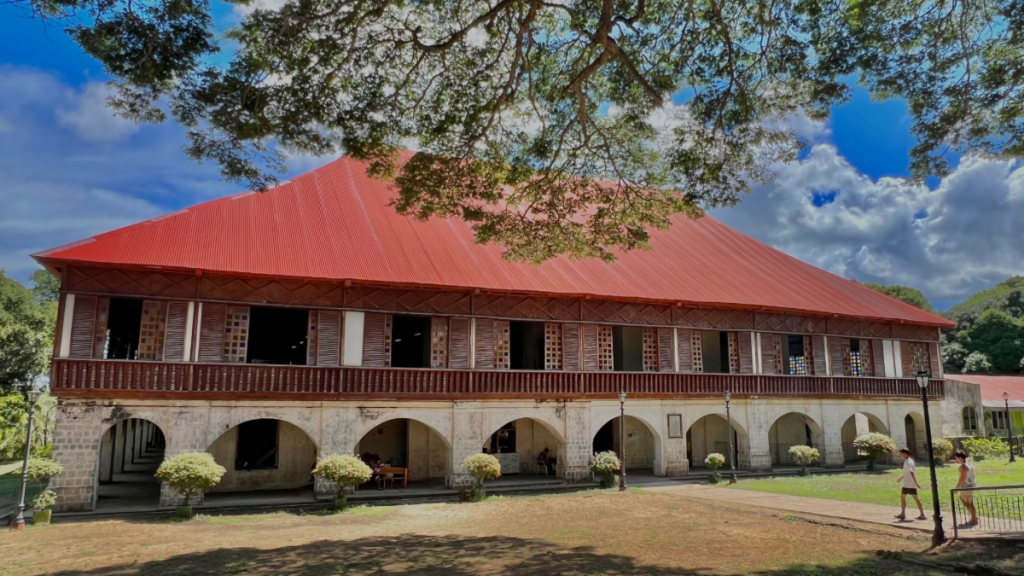
The human element of Siquijor is equally defined by its resilience. During the Japanese occupation, local resistance movements were led by brave figures like Lieutenant Iluminado Jumawan, who organised guerrilla bands to evade and strike back at the hostile occupants. This history is visible in the architecture of the old stone churches and the Gabaldon school buildings.
Today, Siquijor is also etching an image as a zero-waste island. Styrofoam is banned, and single-use plastic is regulated. People carrying reusable bags and vendors wrapping products in bamboo or banana leaves are a common sight.
Tuesdays, Fridays, and Sundays are “plastic holidays” where shops don’t sell or use plastic bags. This commitment to the environment makes Siquijor a model for sustainable tourism.
Why is Siquijor Called the Healing Island?
The moniker “healing island” is born out of centuries-old traditions of folk healing that have captivated travellers for generations. Beyond its beauty, the island hosts a community of Indigenous healers who espouse herbal cures, love potions, and protective amulets.
The healing traditions are tied to the elements of the land. Healers often use a mix of herbs gathered from the forest and the sea. One of the most famous rituals is the bolo-bolo, which involves a glass of water, a bamboo straw, and a black stone to “extract” impurities from the body.
There is minimal scientific evidence supporting the effectiveness of these potions. But they are fascinating cultural relics. The 400-year-old Balete tree is also central to this identity. Many believe it to be a source of mystical light and energy.
Some even speculate on more supernatural origins. Local lore and anthropological fieldnotes suggest that creatures like the kapre—giant hairy humanoids often seen smoking under large trees—can open portals to other planes of existence where time stops. Whether you believe in parallel dimensions or just the power of a good rest, the island certainly offers a unique escape.
What to Buy in Siquijor?
Souvenirs serve as tangible reminders of your great trip. This Cebu to Siquijor travel guide helps you skip ordinary keychains and find the special local craft items this island has in store.
- Woven Goods: Siquijor is renowned for its talented craftsmen. Look for woven bags and baskets crafted from local materials, ideal for achieving a boho-chic beach look.
- Handmade Amulets: If you enjoy a touch of mystical charm, consider exploring handmade amulets and talismans with an open mind.
- Herbal Potions: Traditional healers offer various concoctions that are believed to be miracle medicines. I suggest treating them as cultural artifacts instead.
- Local Woodwork: Exquisitely crafted wooden pieces and shell accessories are also popular.
- Pasalubong: Visit the San Juan Public Market for local snacks, peanut kisses, and dried mangoes to take home.
Essential Items to Pack for Siquijor
For your trip, remember that packing light is key. Let’s concentrate on the essentials and fashionable items that will help you feel confident and ready for any path.
- A Trustworthy Sarong: A travel essential. Use it as a beach towel, a cover-up in town, or a breezy scarf on a motorcycle ride.
- Eco-conscious Sunscreen: Essential for protecting both your skin and the reefs! Choose a mineral sunscreen that is safe for the coral.
- Insect Repellent: Mosquitoes can be aggressive, especially after dark. A DEET-free alternative with essential oils is a good choice.
- Compact Waterproof Dry Bag: Great for boat trips and exploring waterfalls to keep your phone and cash dry.
- Linen Apparel: Airy linen clothing is breathable and stylish for the tropical environment.
- Durable Walking Shoes: You will need these for waterfalls and light hikes through the interior.
- Sun Protection: A wide-brimmed hat and sunglasses are essential to protect your skin and give off major vacation vibes.
Is it Possible to Travel to Siquijor on a Budget?
Island holidays can quickly become expensive. However, Siquijor offers the natural splendour of the Philippines without the steep price tags found in crowded tourist hubs like Boracay. Following this Cebu to Siquijor travel guide will help you stretch your pesos further. Here are practical ways to keep your expenses low while exploring:
- Choose Local Living: Forget about fancy resorts and go for charming guesthouses or homestays. Dine at the same spots as the locals for tasty meals at a lower cost.
- Master the Art of Haggling: Tricycle fares can usually be negotiated, so feel free to politely haggle a bit.
- Embrace DIY Opportunities: Renting a motorbike near the port gives you unparalleled freedom and budget savings.
- Skip Popular Tourist Traps: Certain locations may have expensive entrance fees. Discover the lesser-known treasures, like a quiet creek or a secluded headland, instead.
Whoever claims that travelling on a budget isn’t enjoyable hasn’t experienced Siquijor firsthand! Making smart budget choices can help you savour the trip more as you engage with the local field of life.
Final Thoughts
Following this Cebu to Siquijor travel guide makes planning your island trip simple and enjoyable. The people are friendly, and the scenery is enchanting. The island is a sanctuary for the youthful at heart and the seasoned wanderer alike. From the esplanade of a coastal town to the deep jungle river, every road leads to a new discovery.
As you leave, you will find that you have just been to a place where time moves more slowly, and the elements of nature are in perfect harmony.